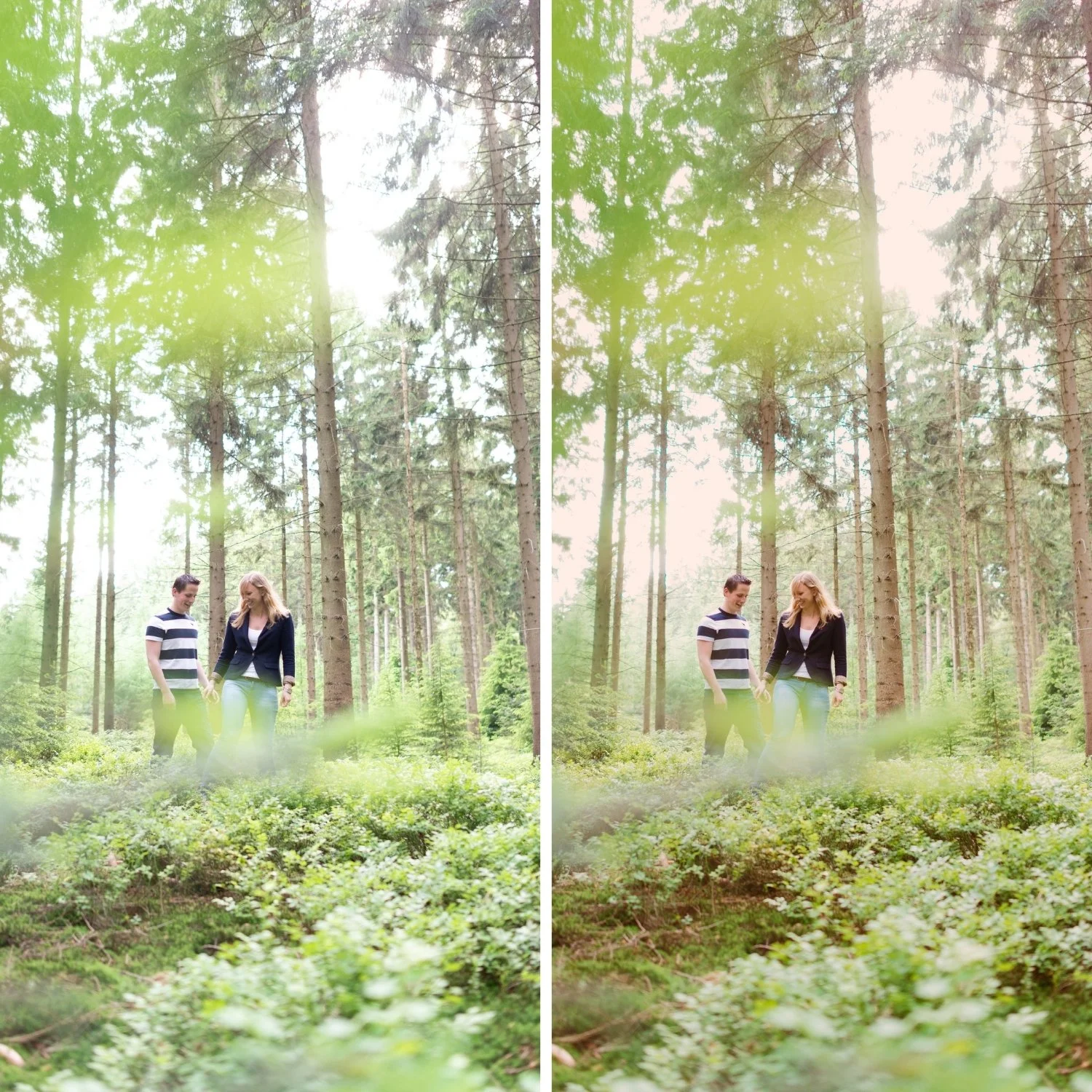
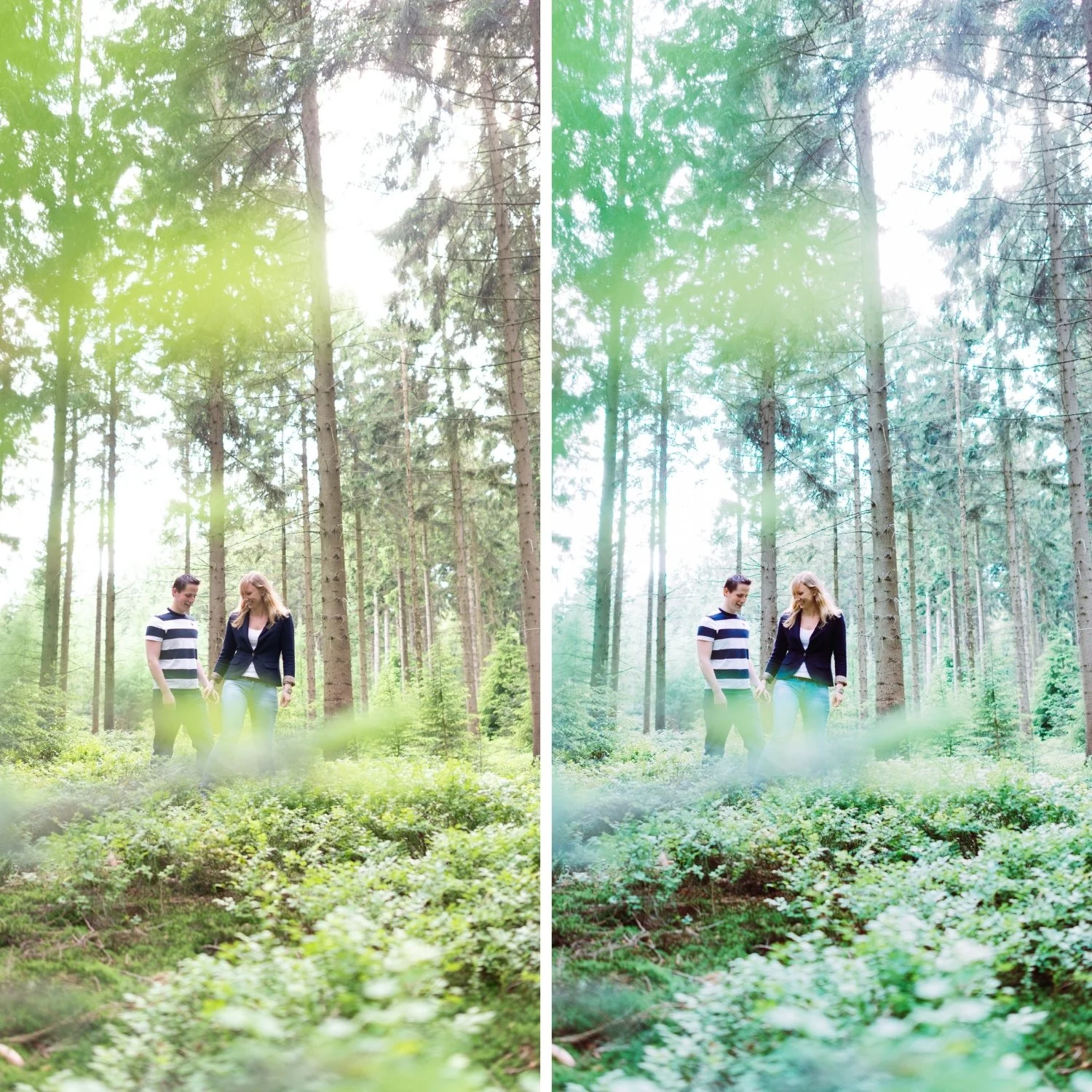
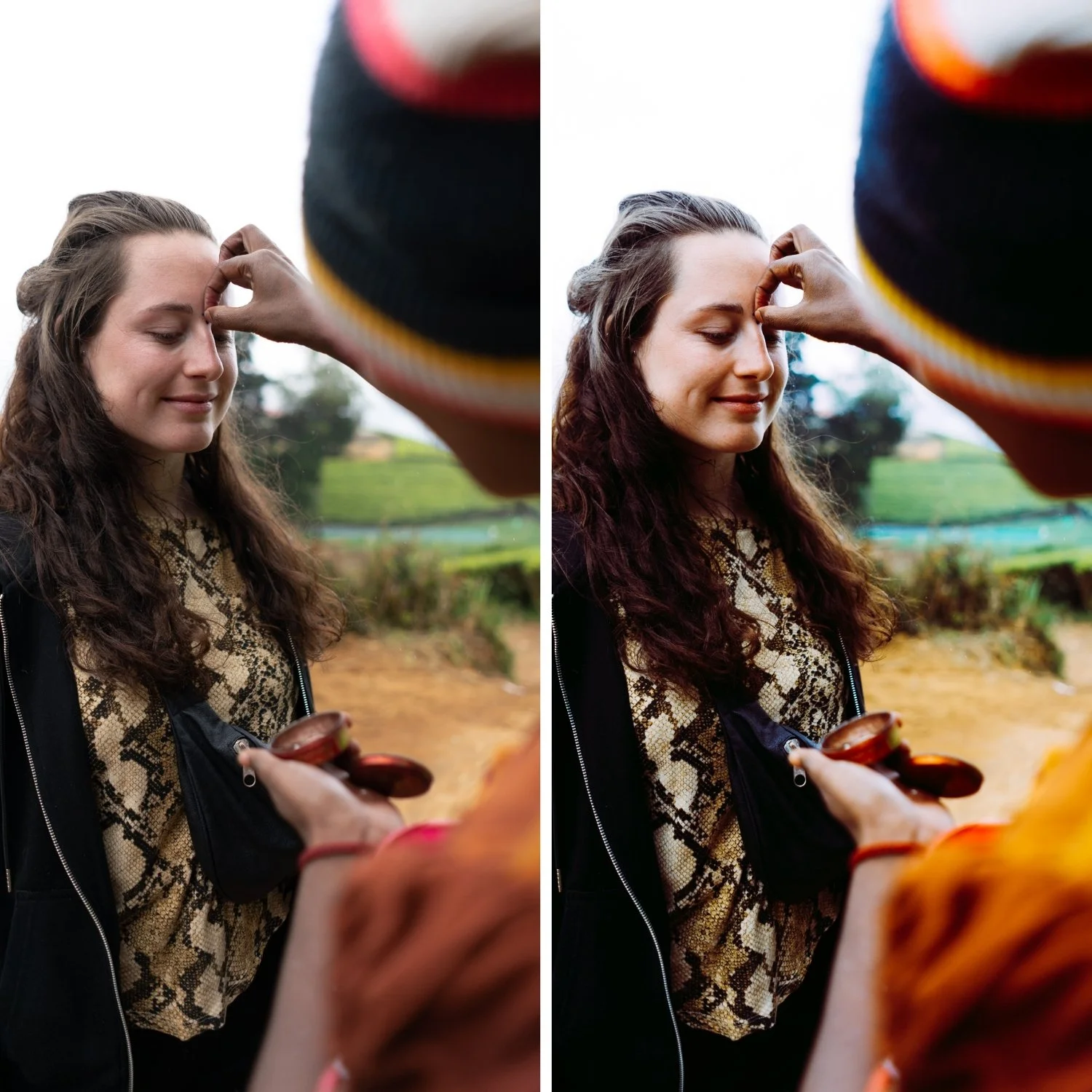
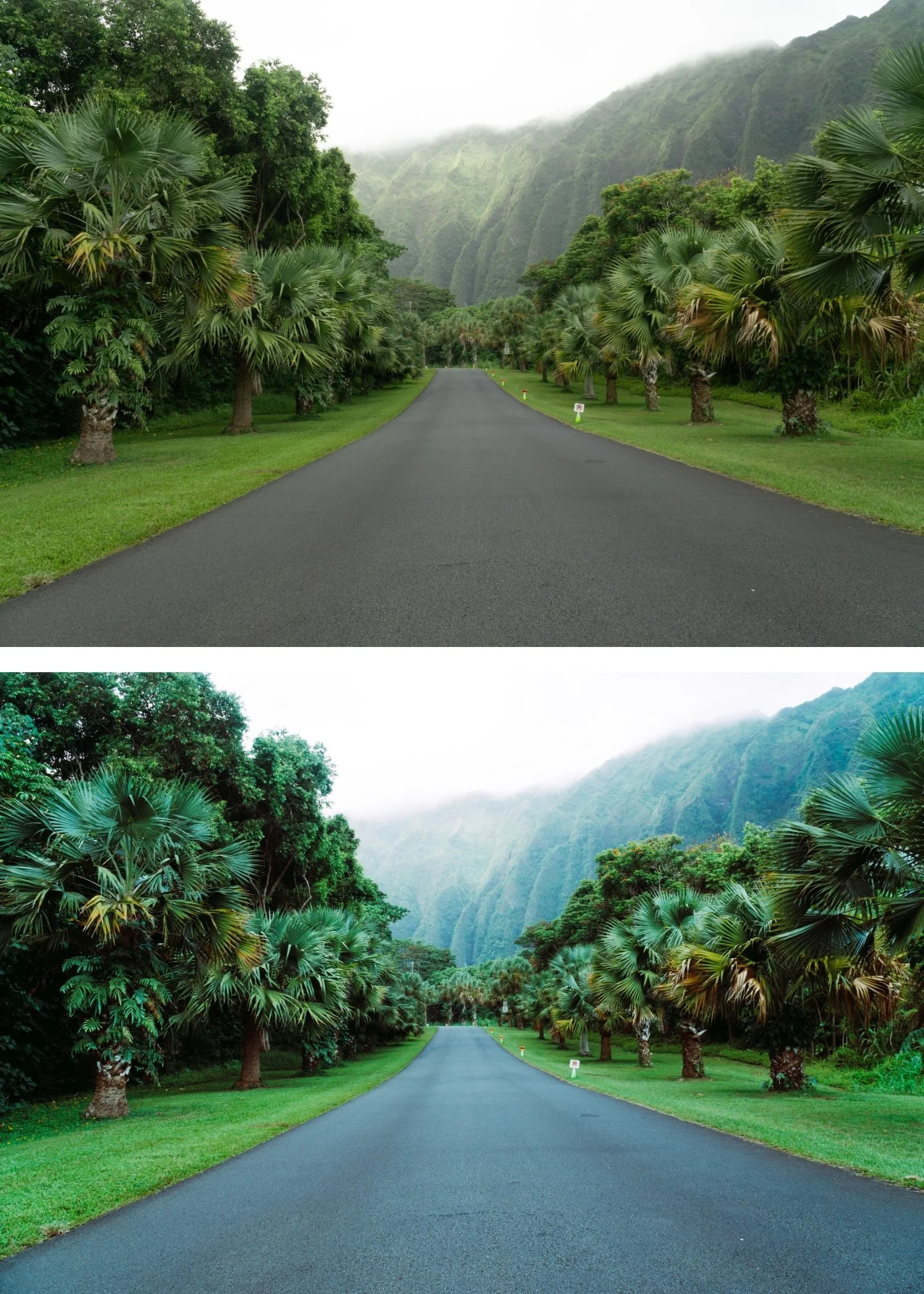
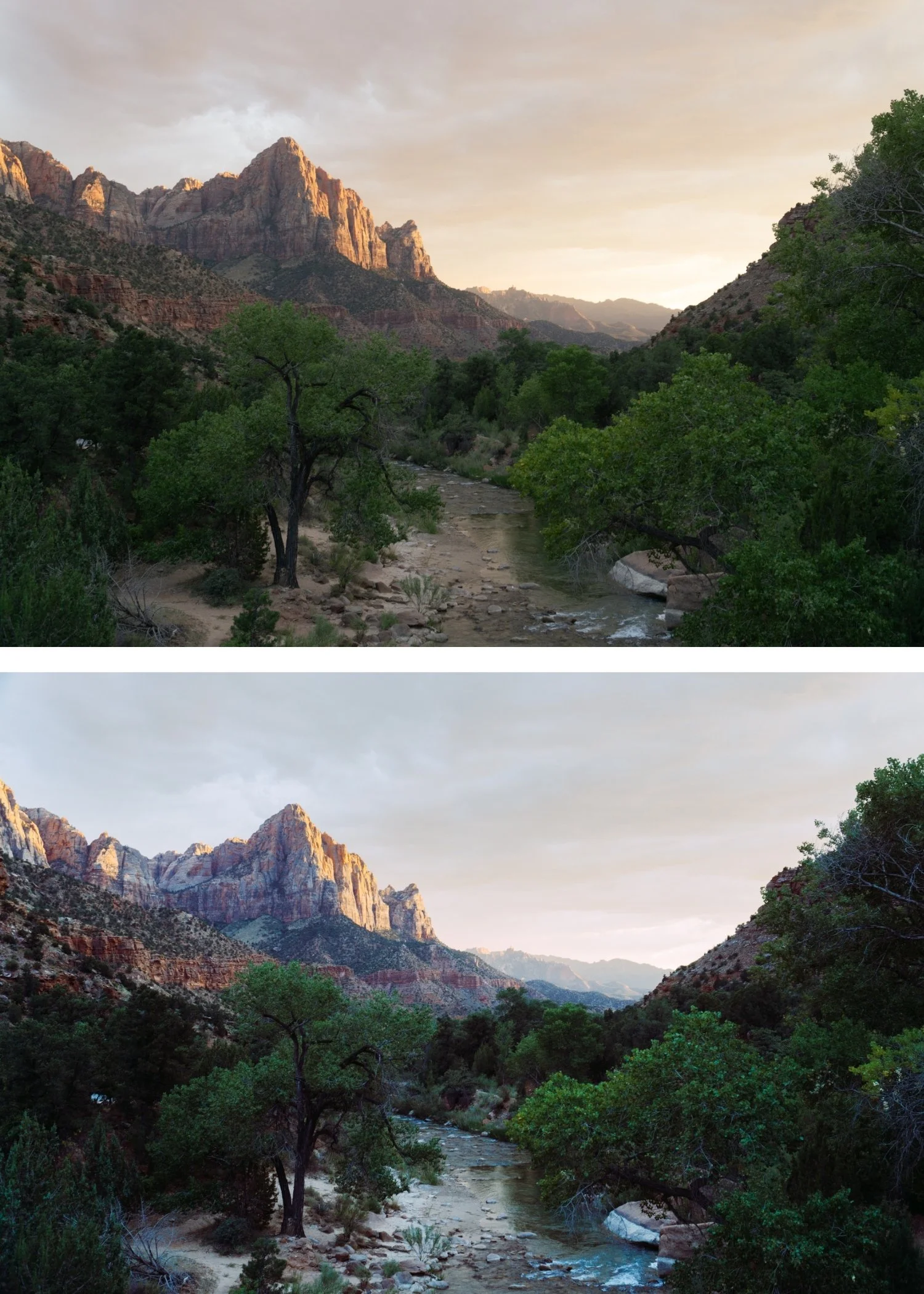
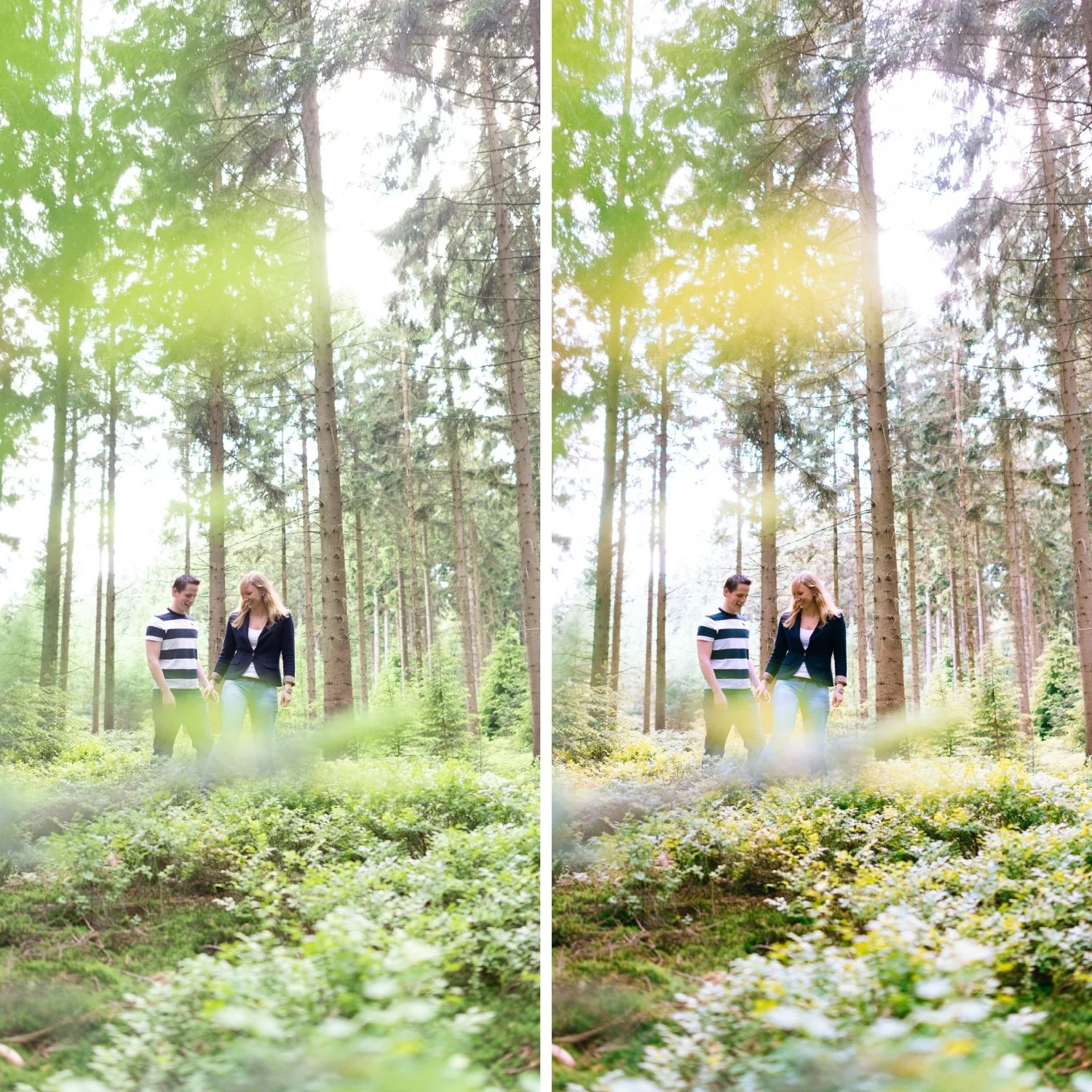
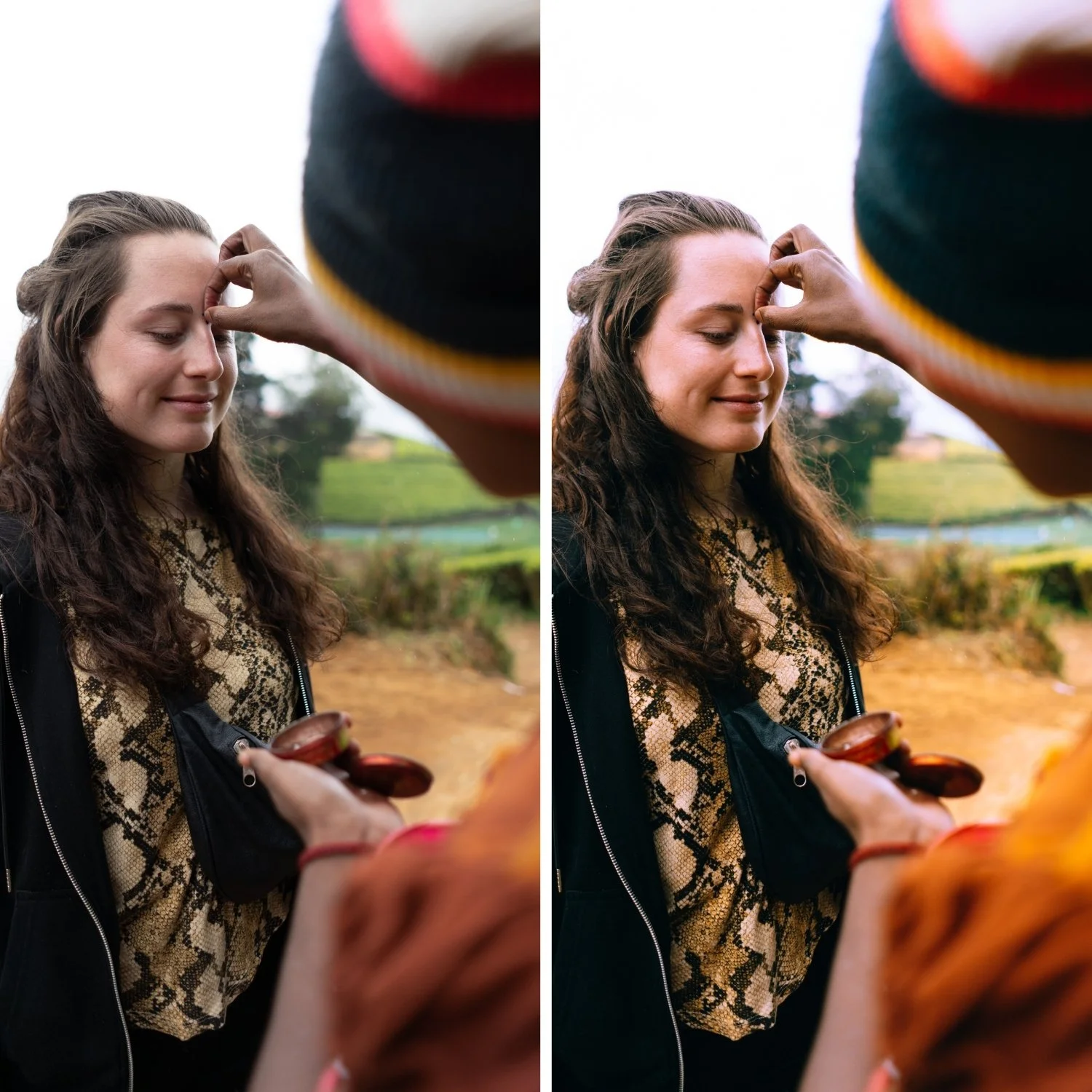
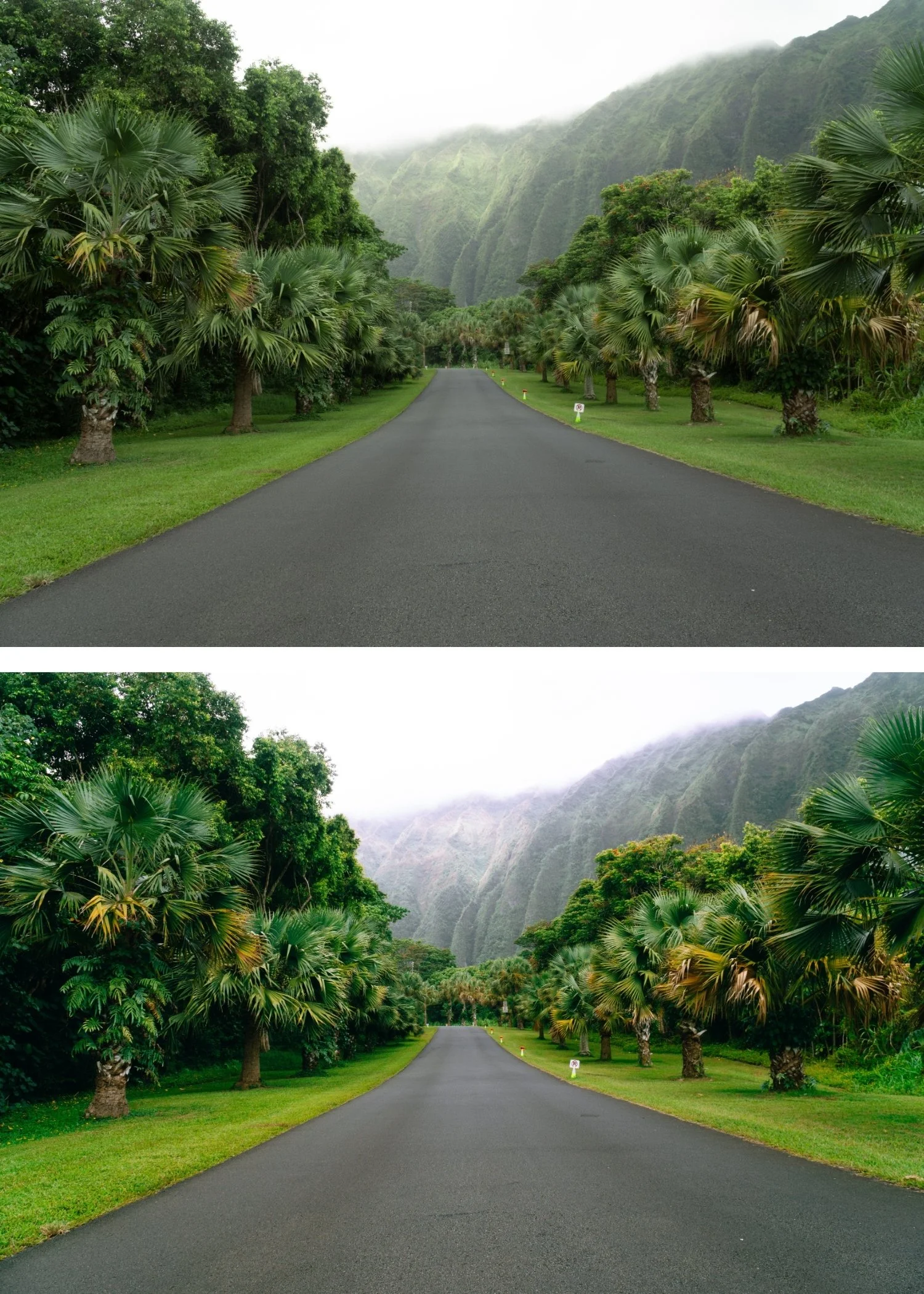
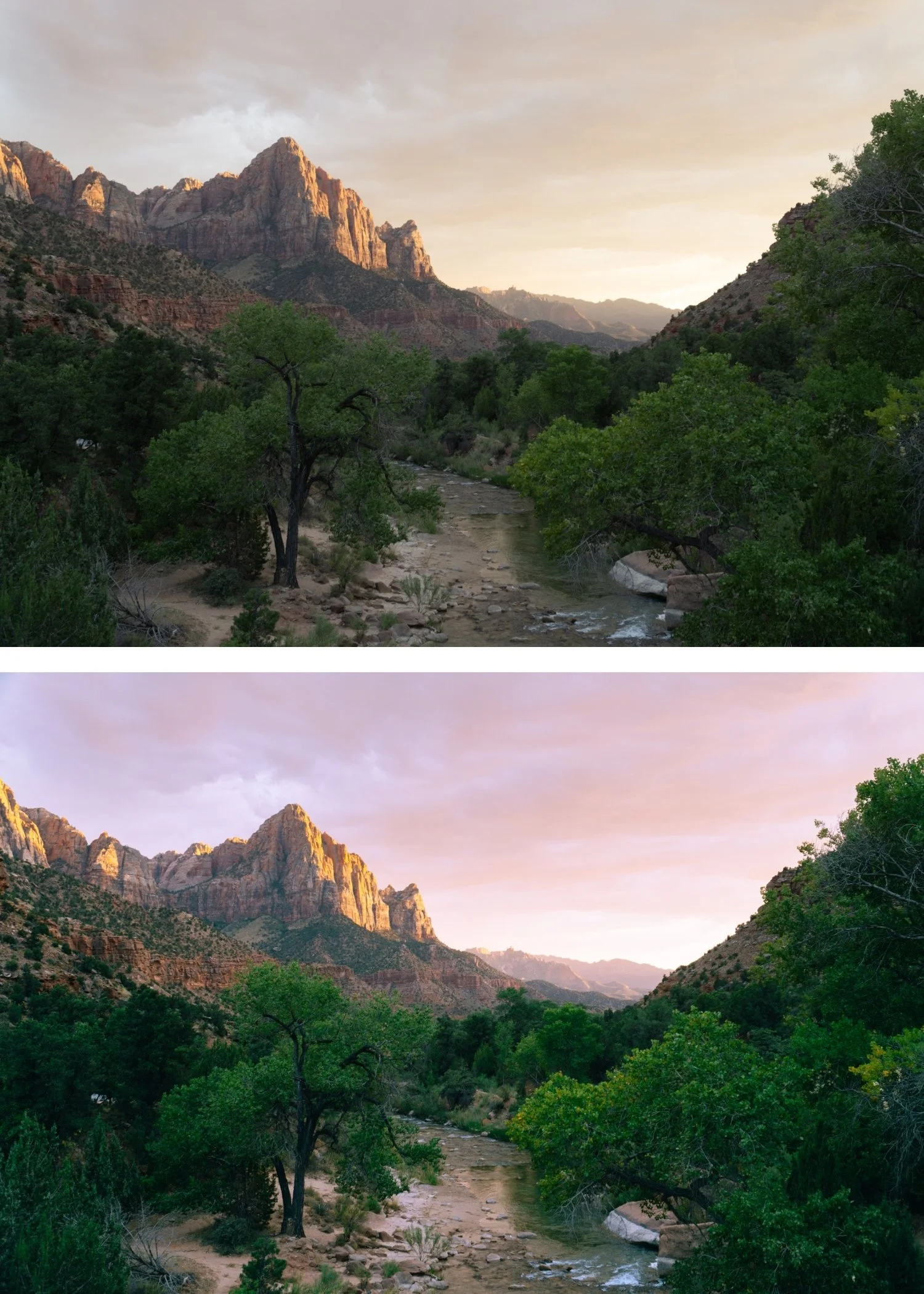
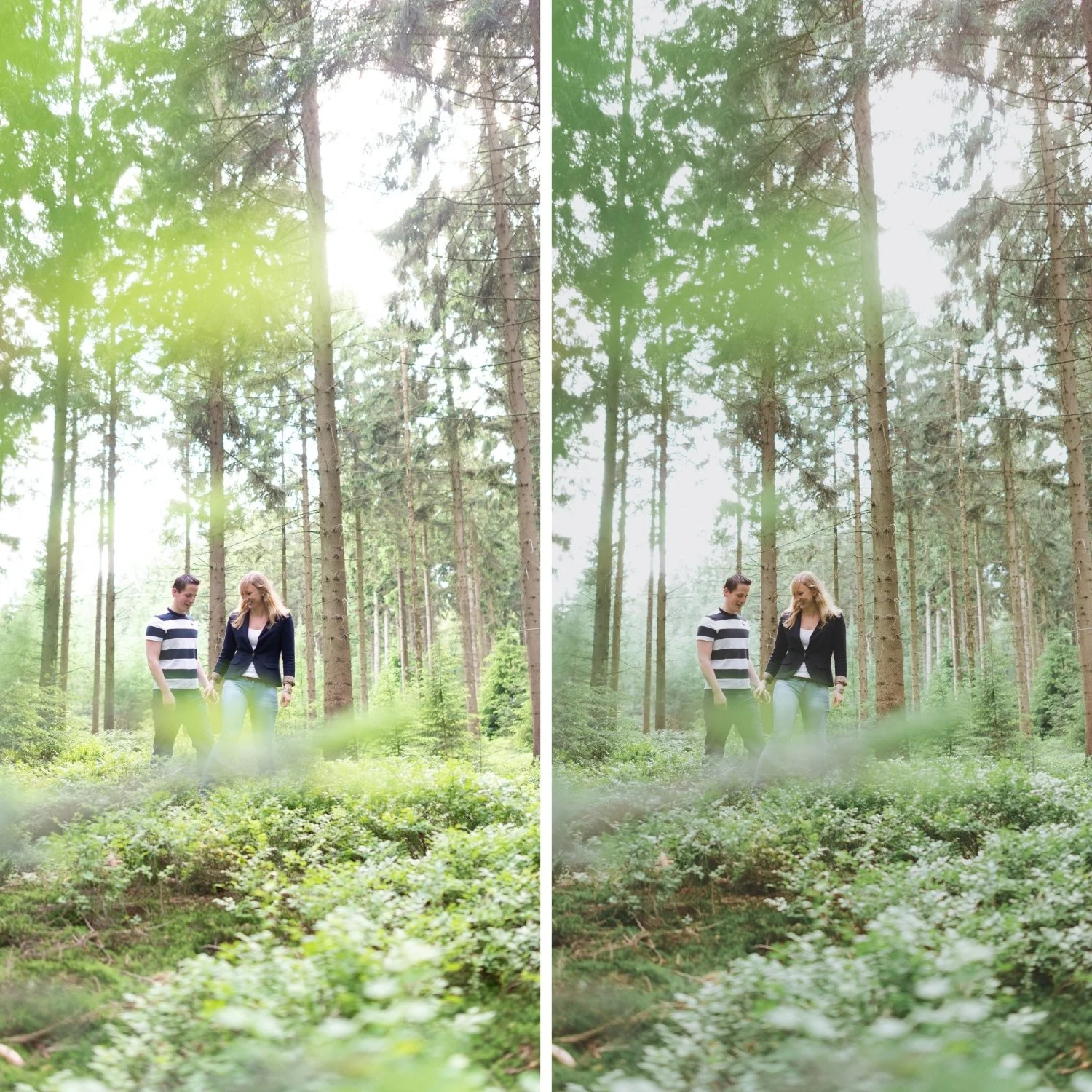
 Image 1 of 4
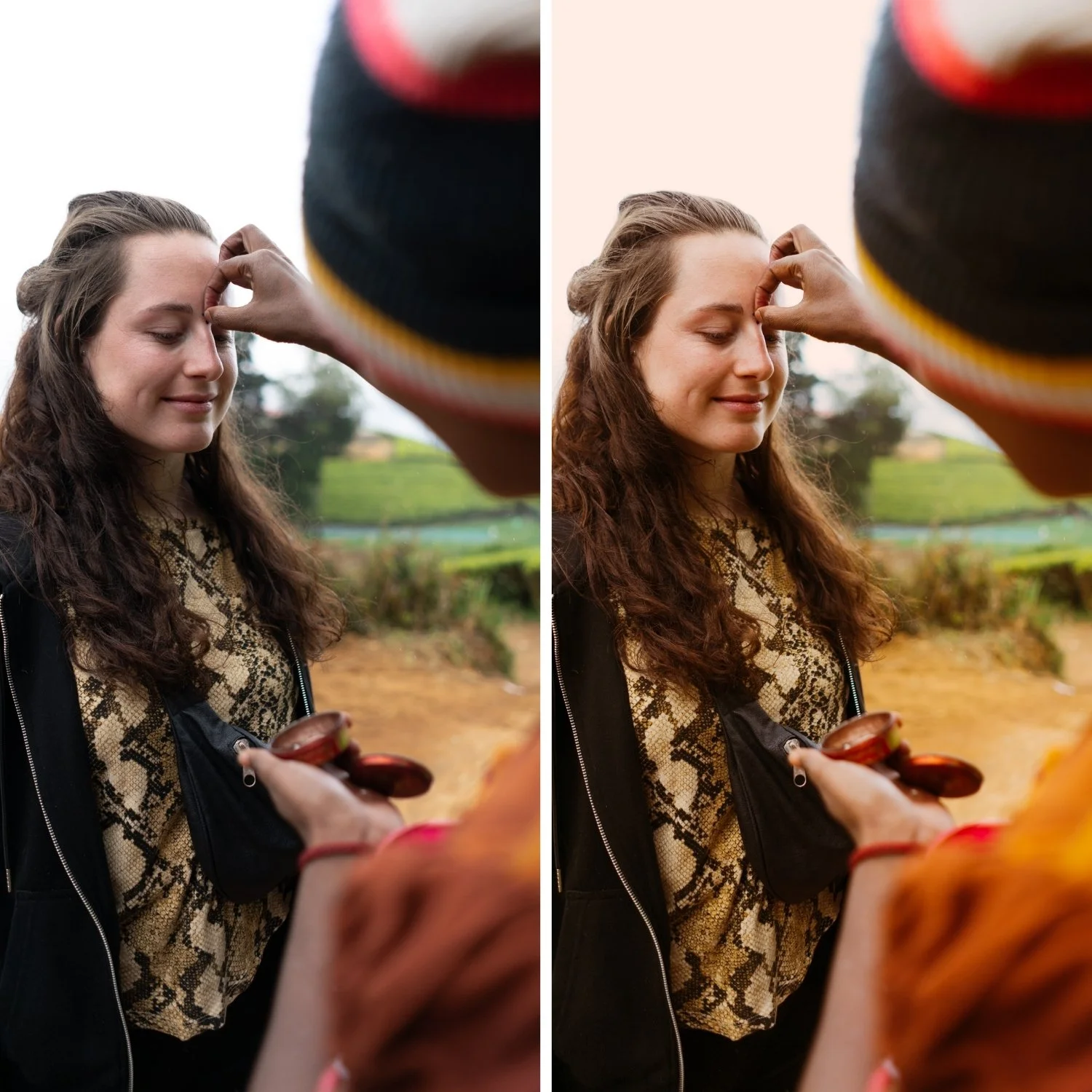
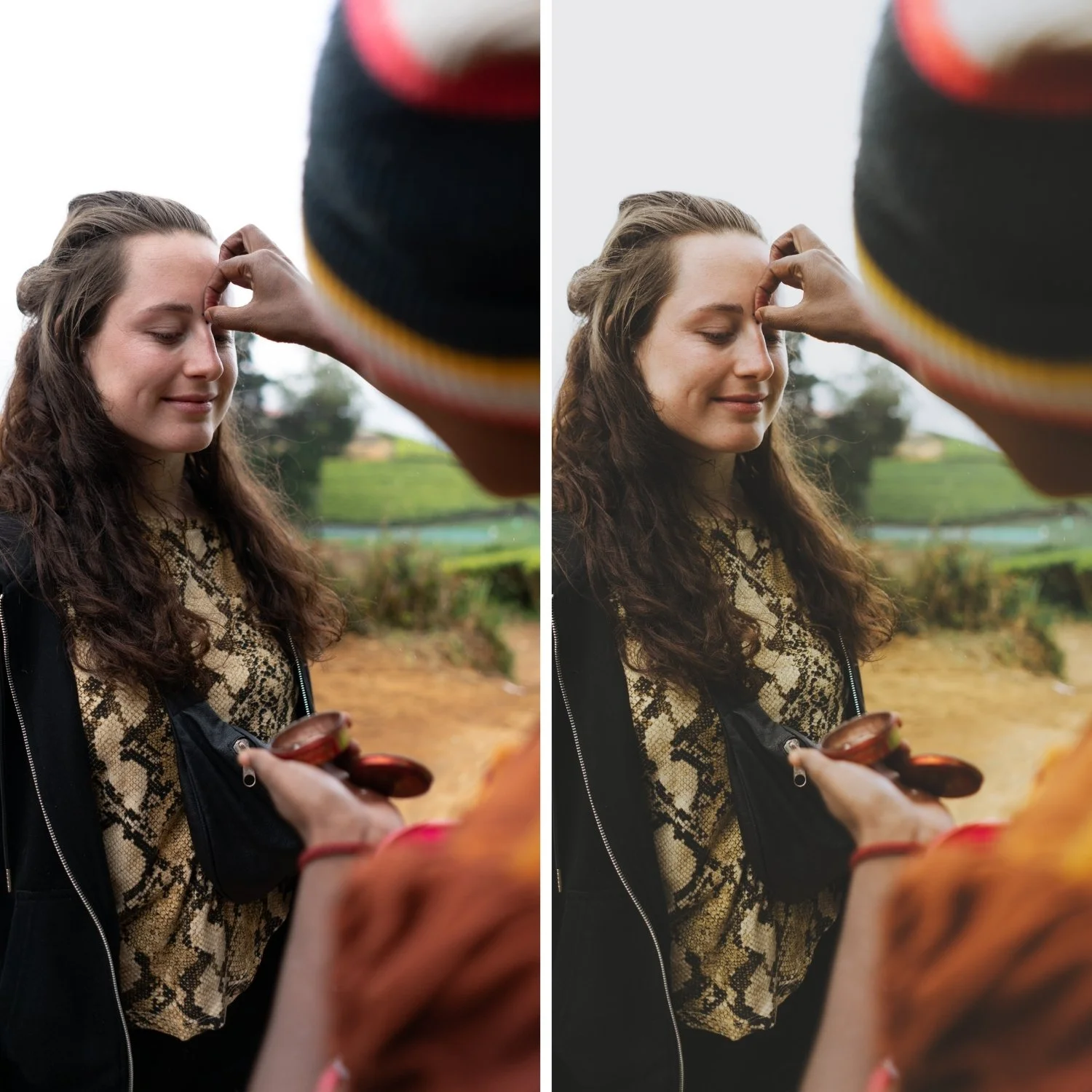 Image 2 of 4
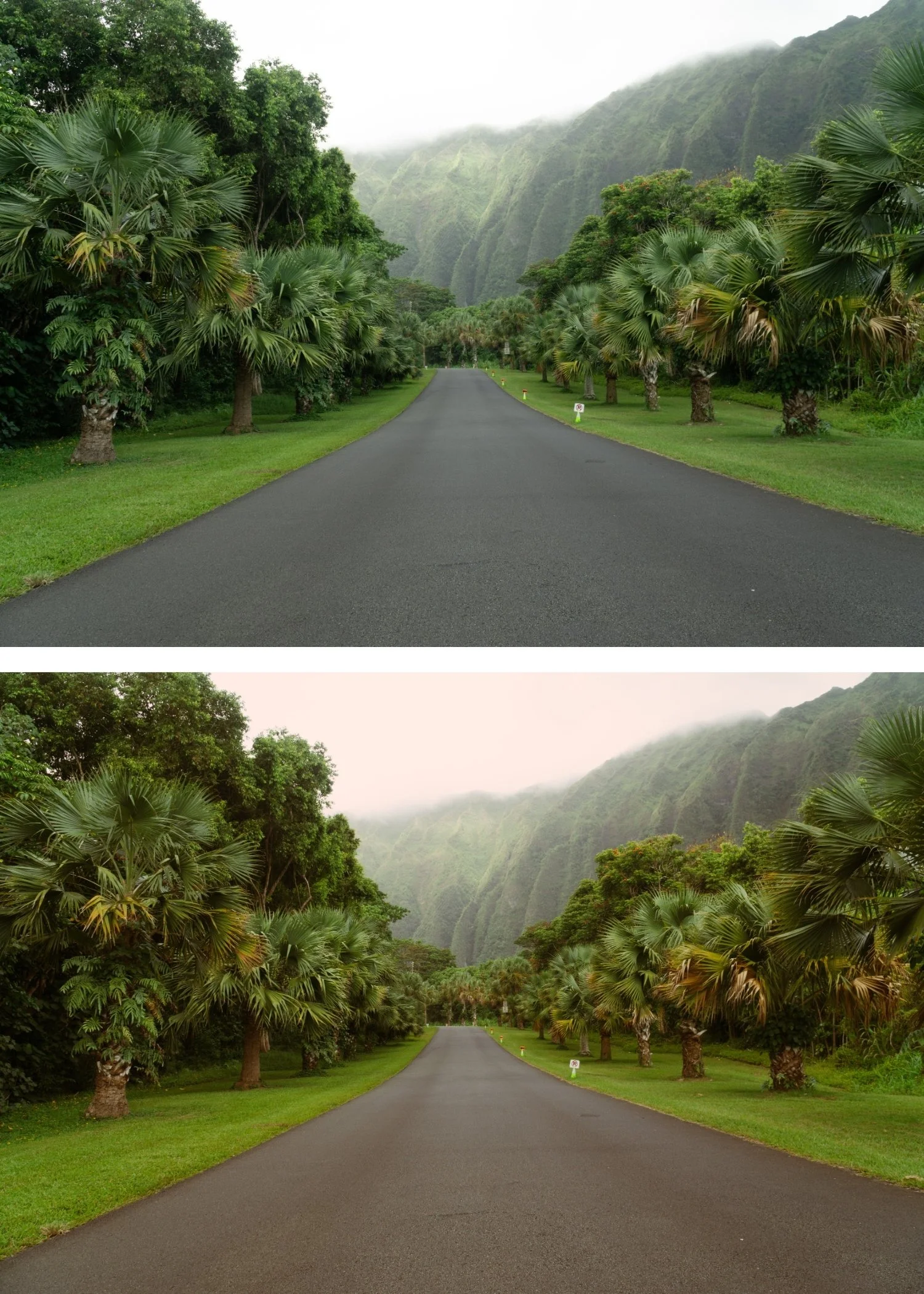
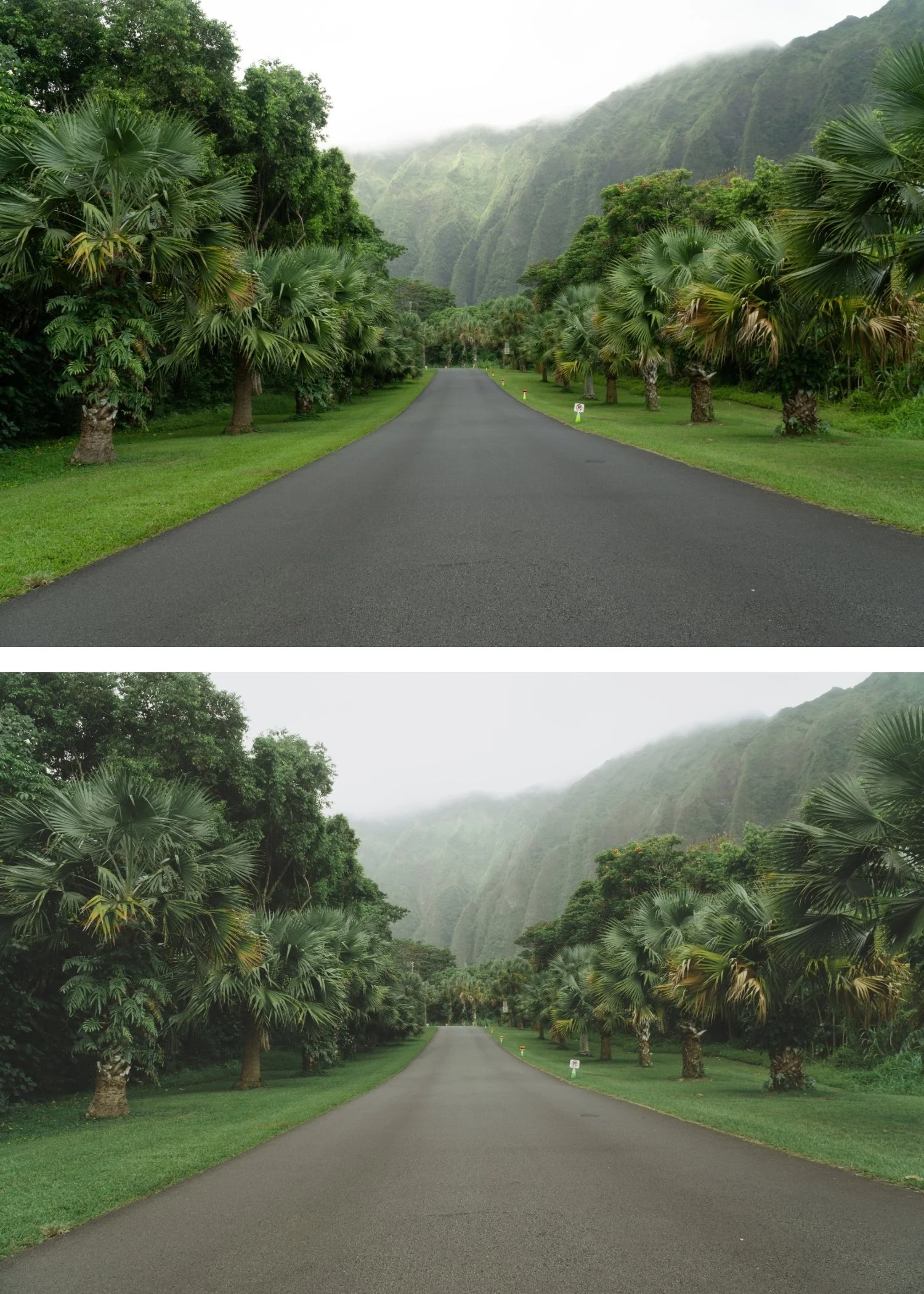 Image 3 of 4
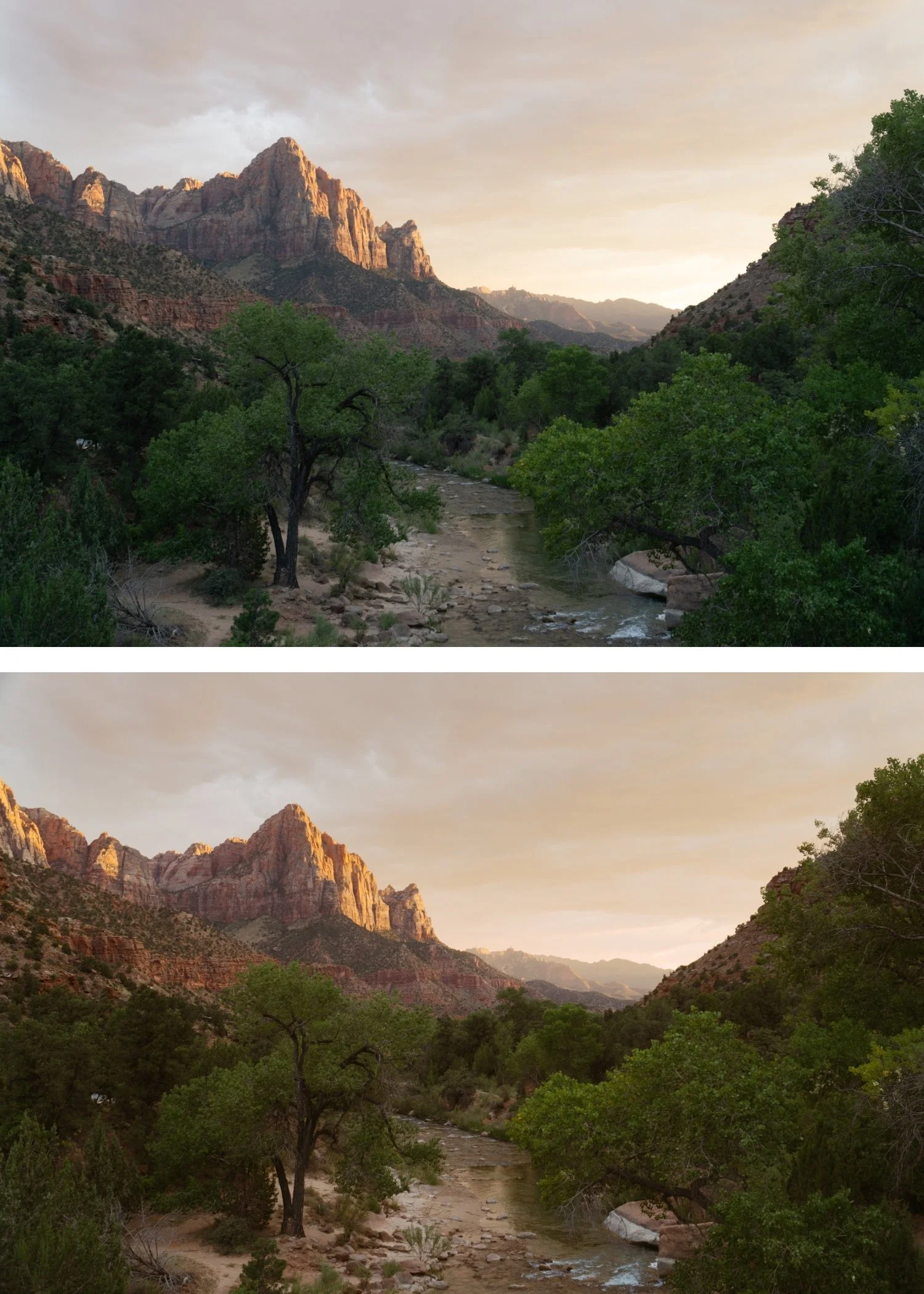
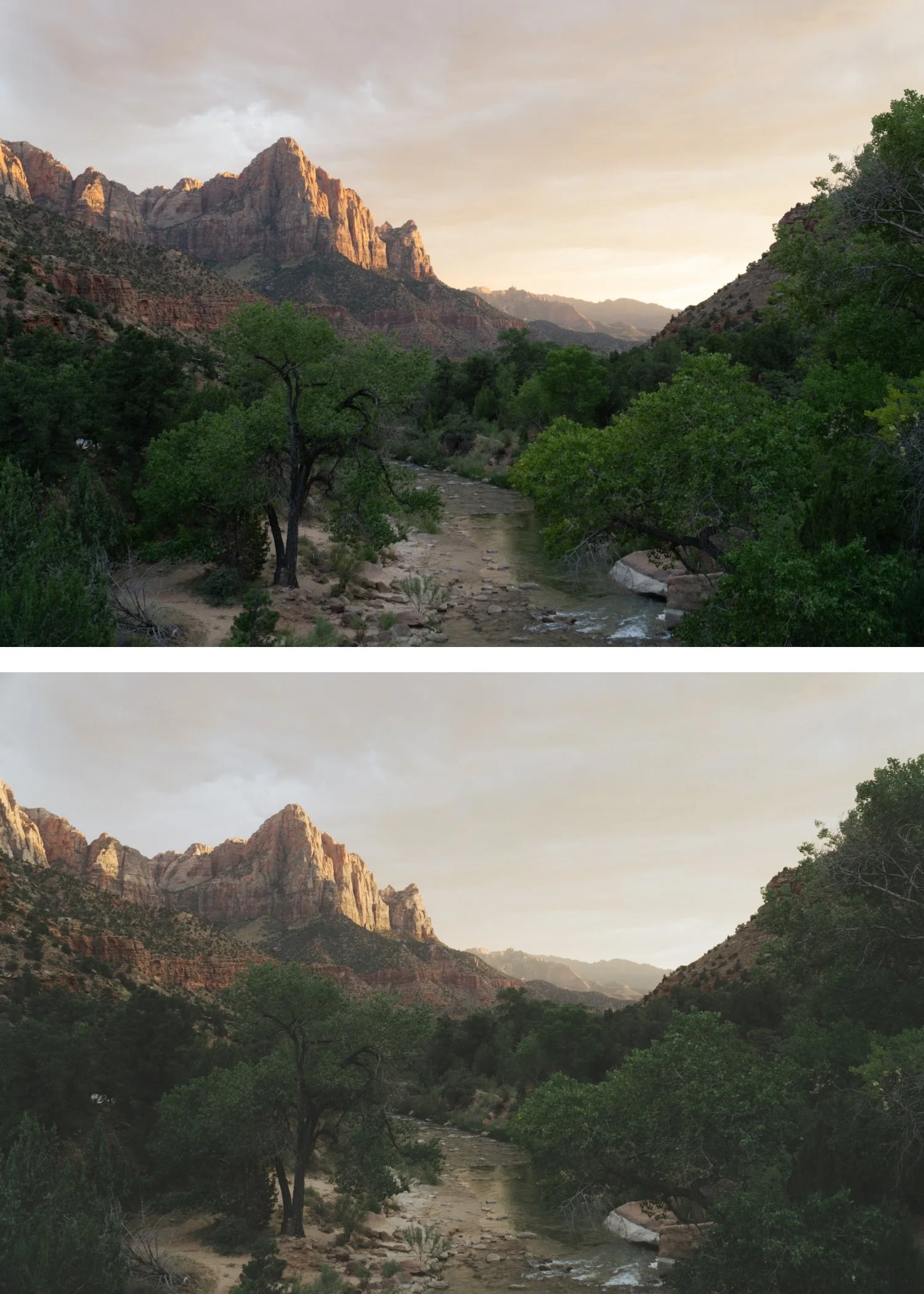 Image 4 of 4
Analog 10 Cinematic Archive | Cinematic Film Preset for Lightroom Desktop & Mobile
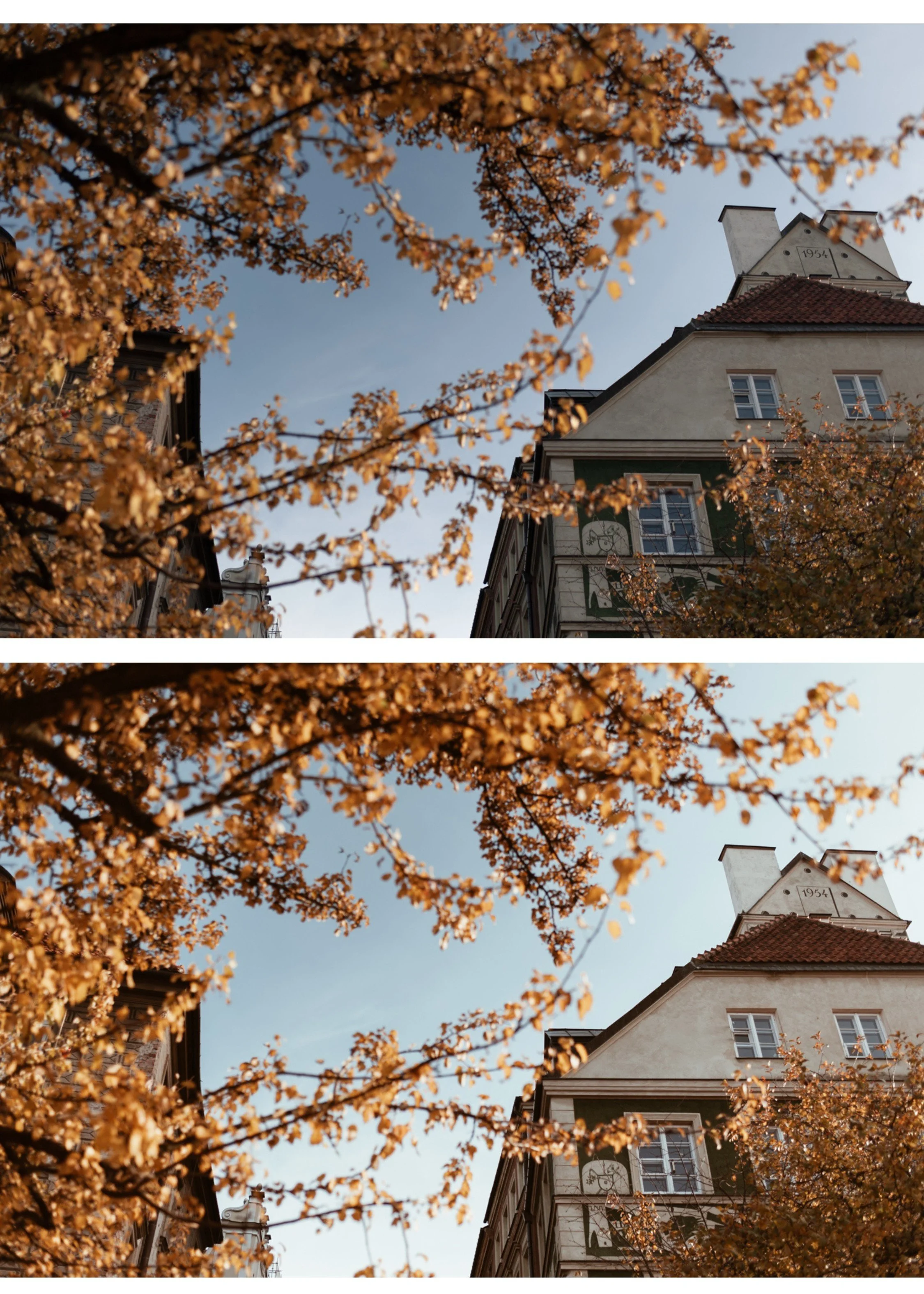
-
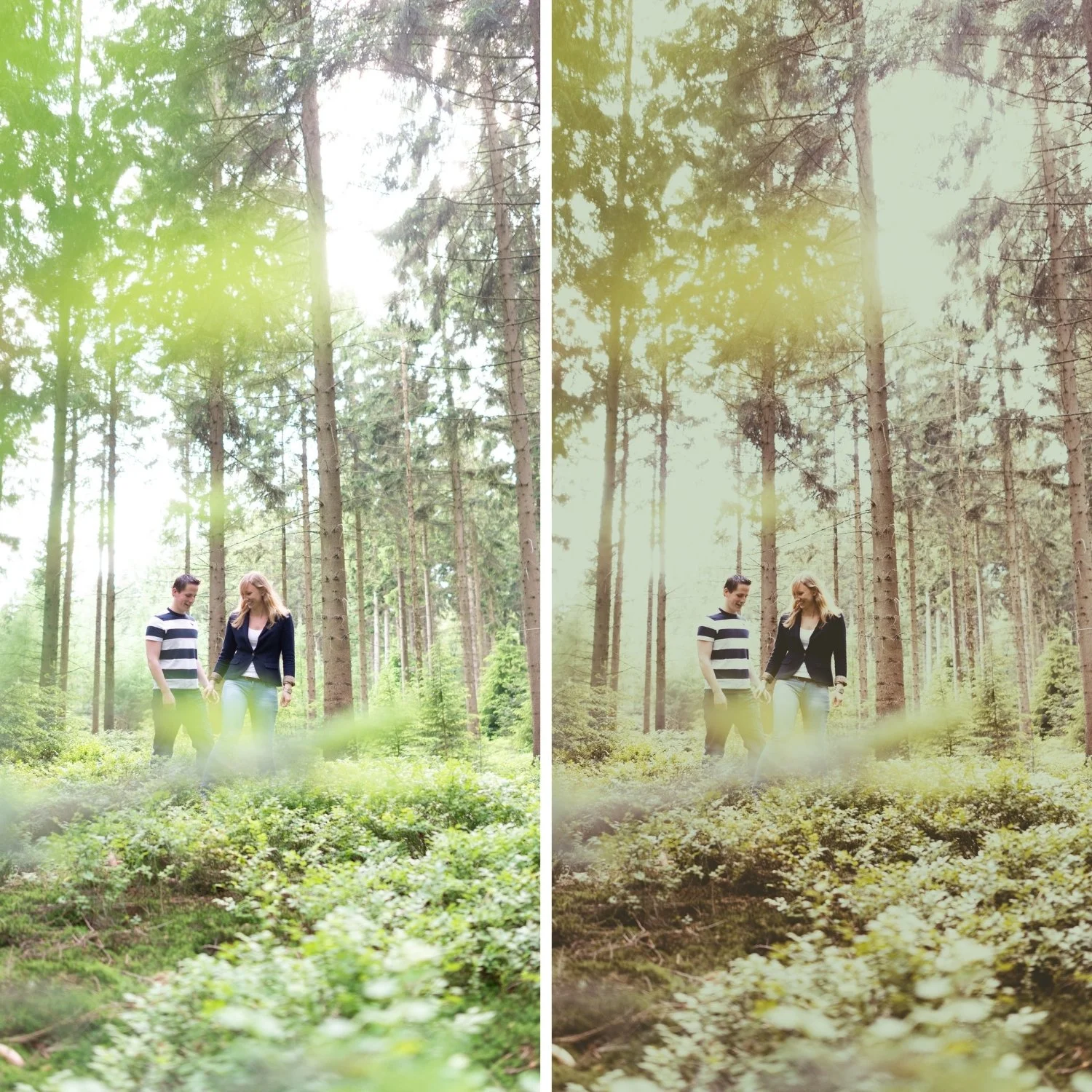
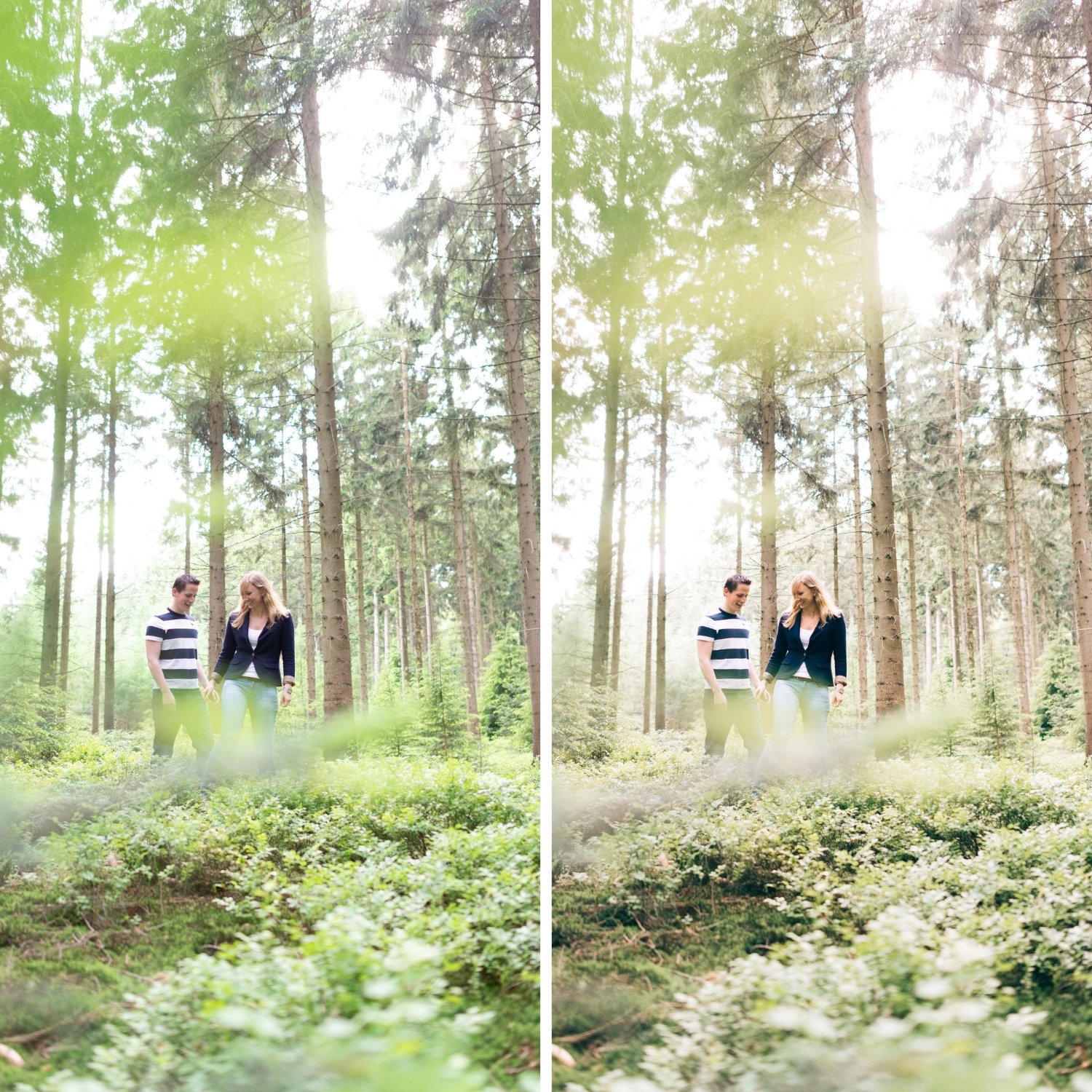
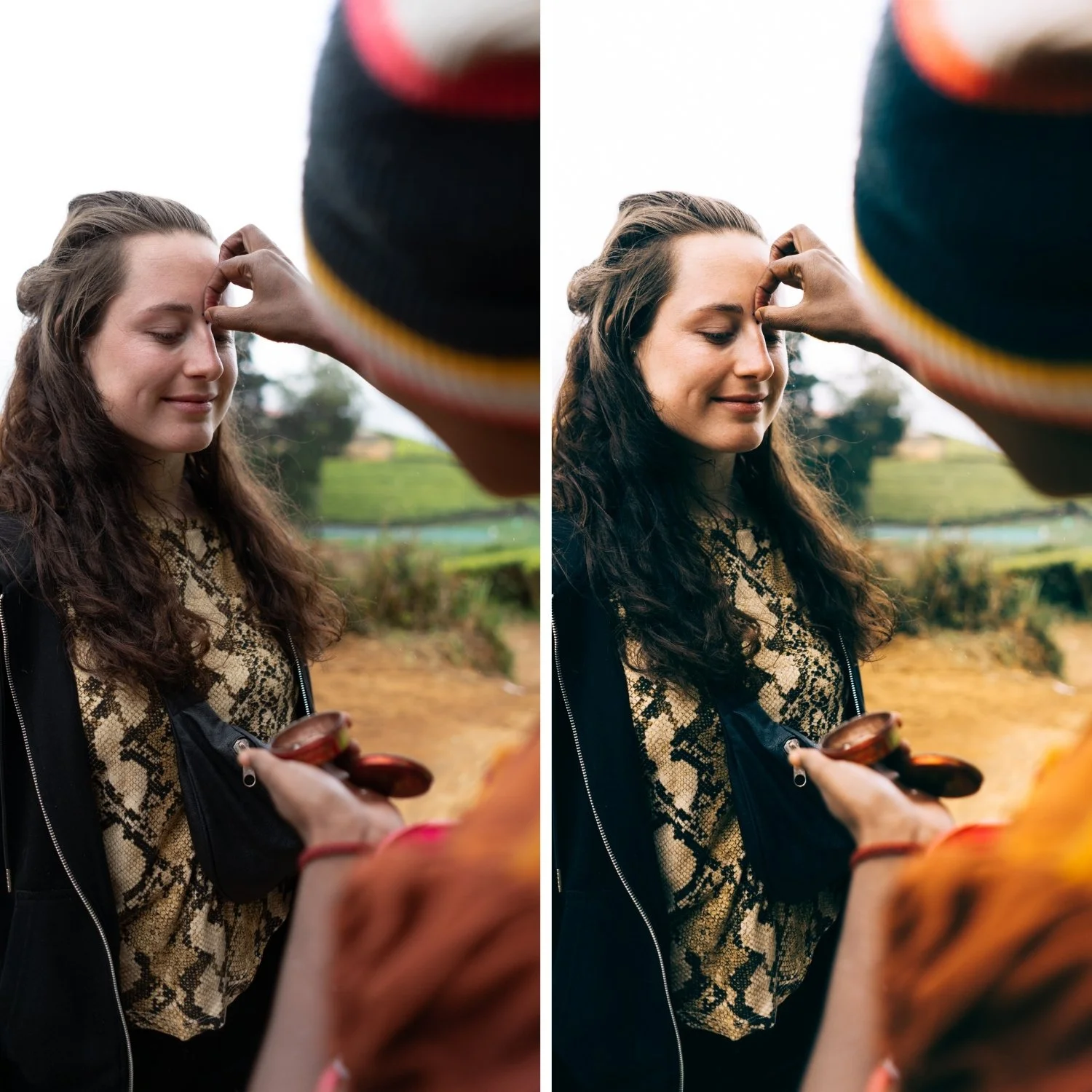
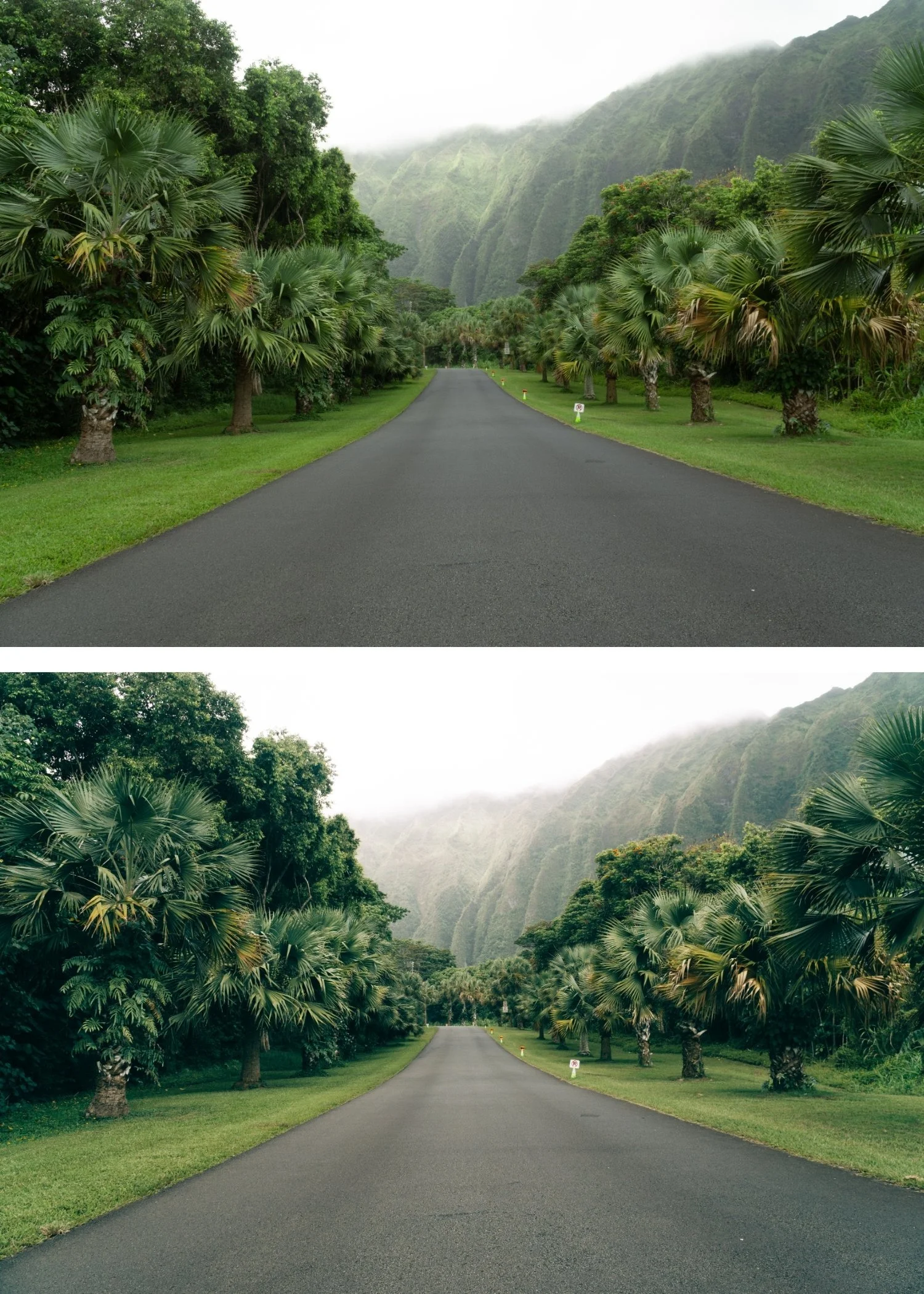
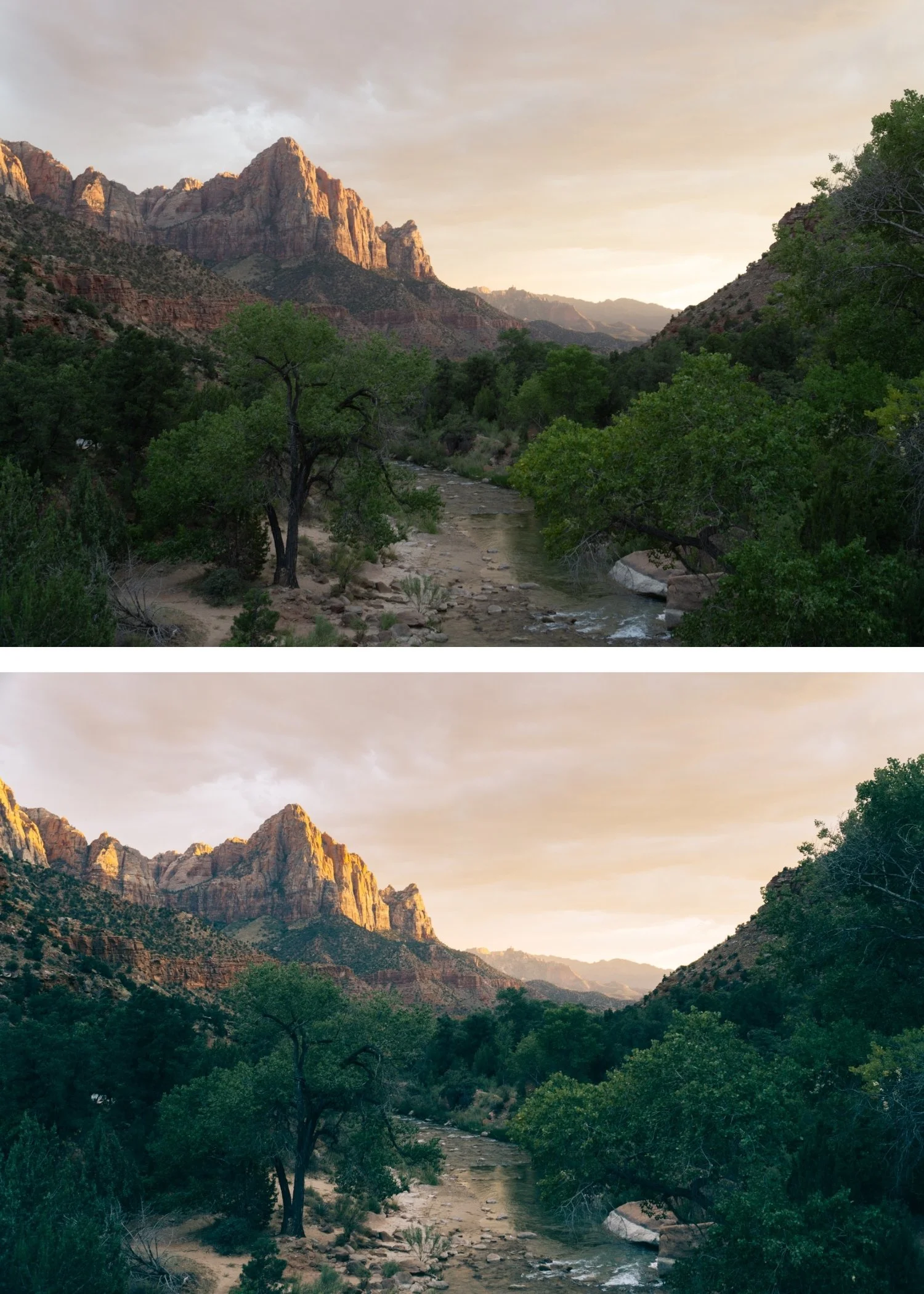
A10 works best on photos with good exposure — not underexposed. The cinematic depth adds to well-exposed photos. On underexposed photos, the depth character can make the result too dark.
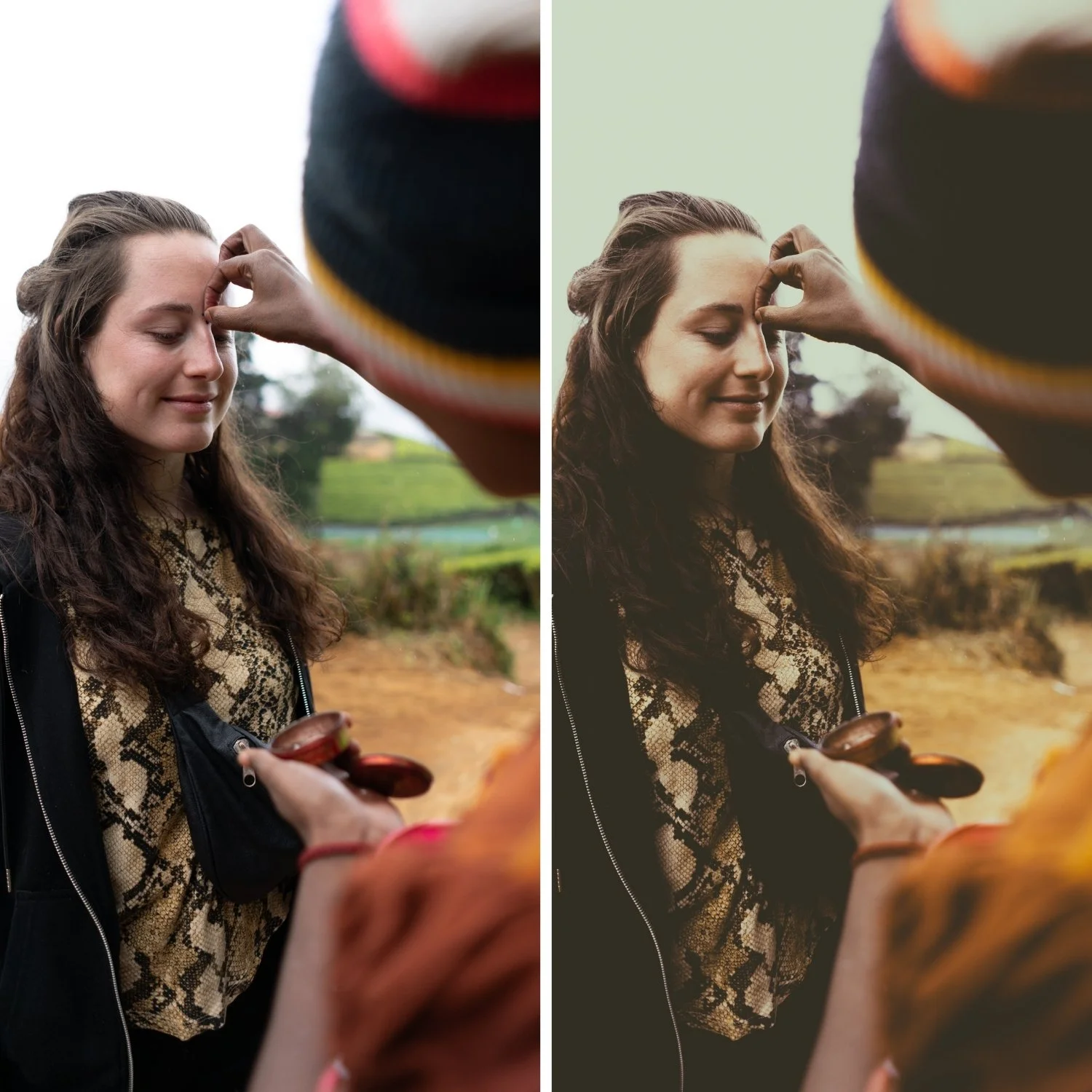
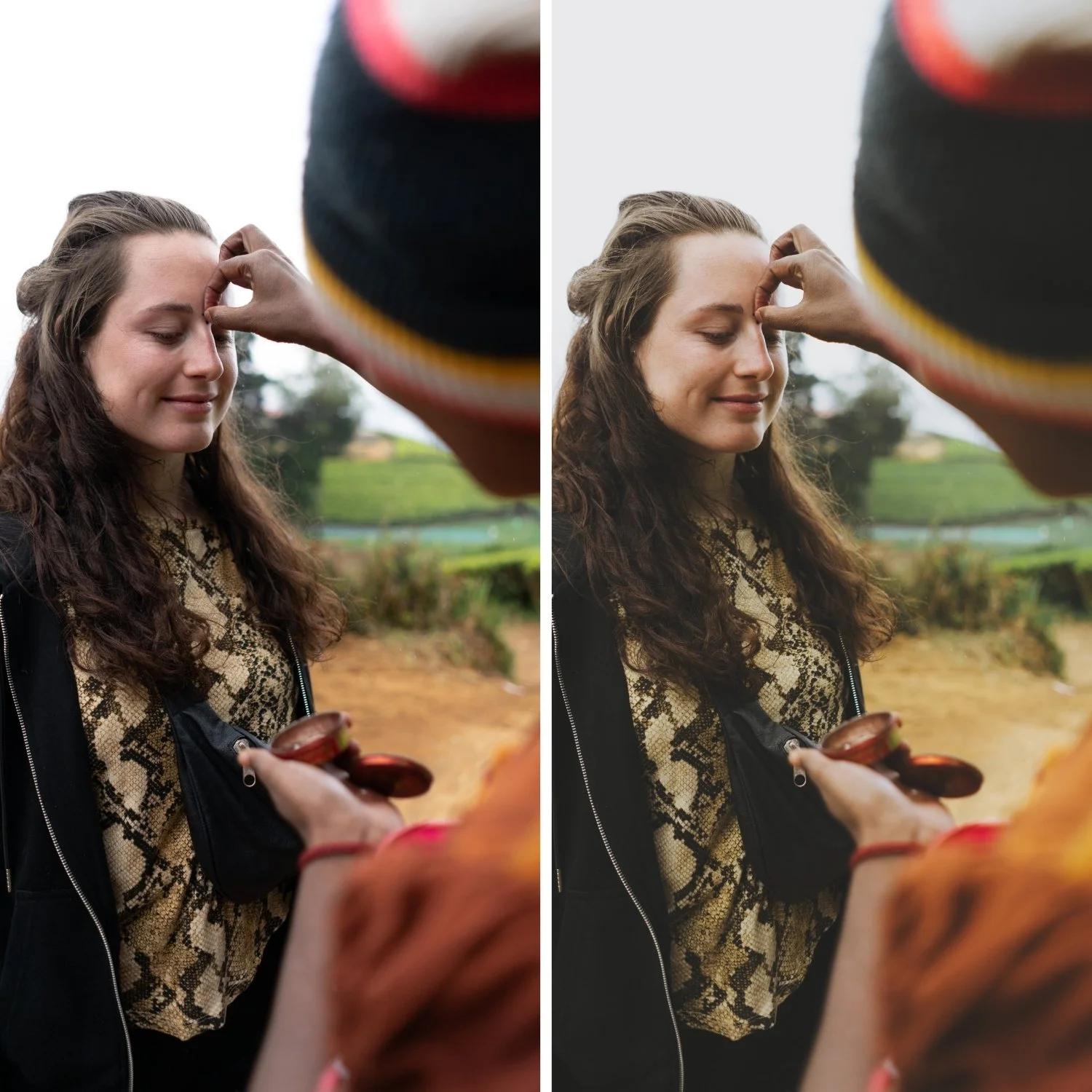
For portrait photography with A10: reduce to 75-80% strength and add Orange Luminance +3 to +5 after applying to lift skin back toward natural brightness.
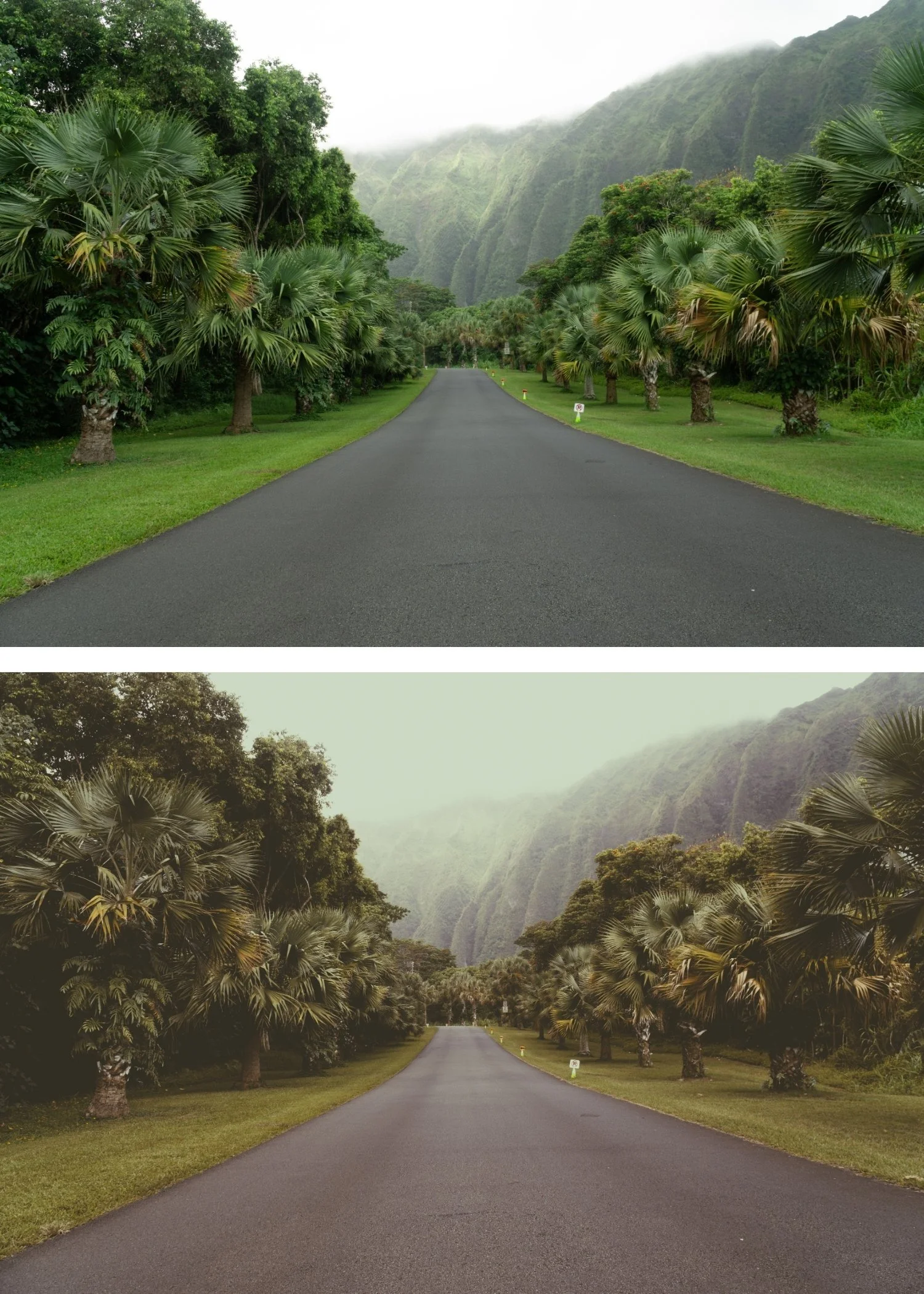
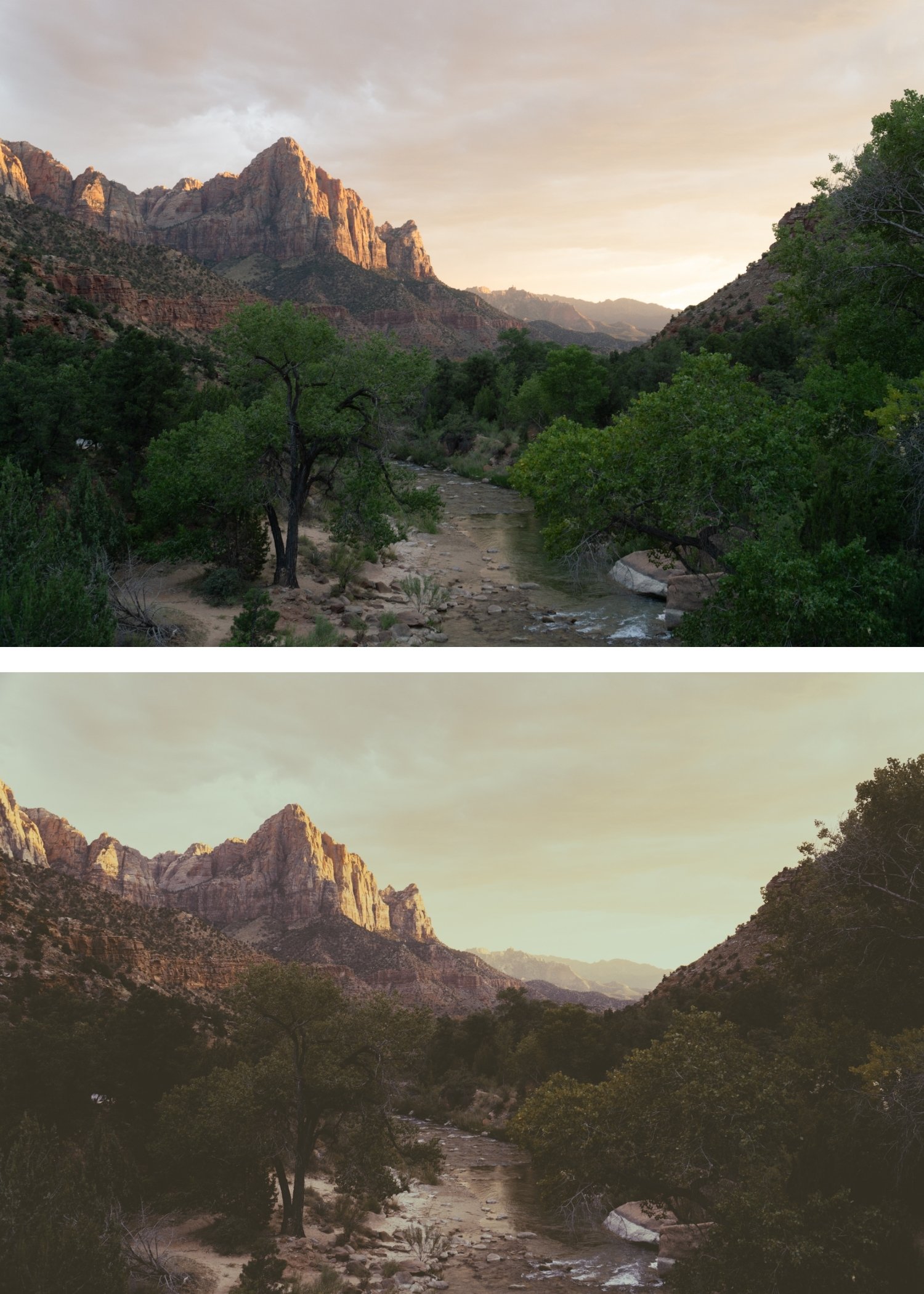
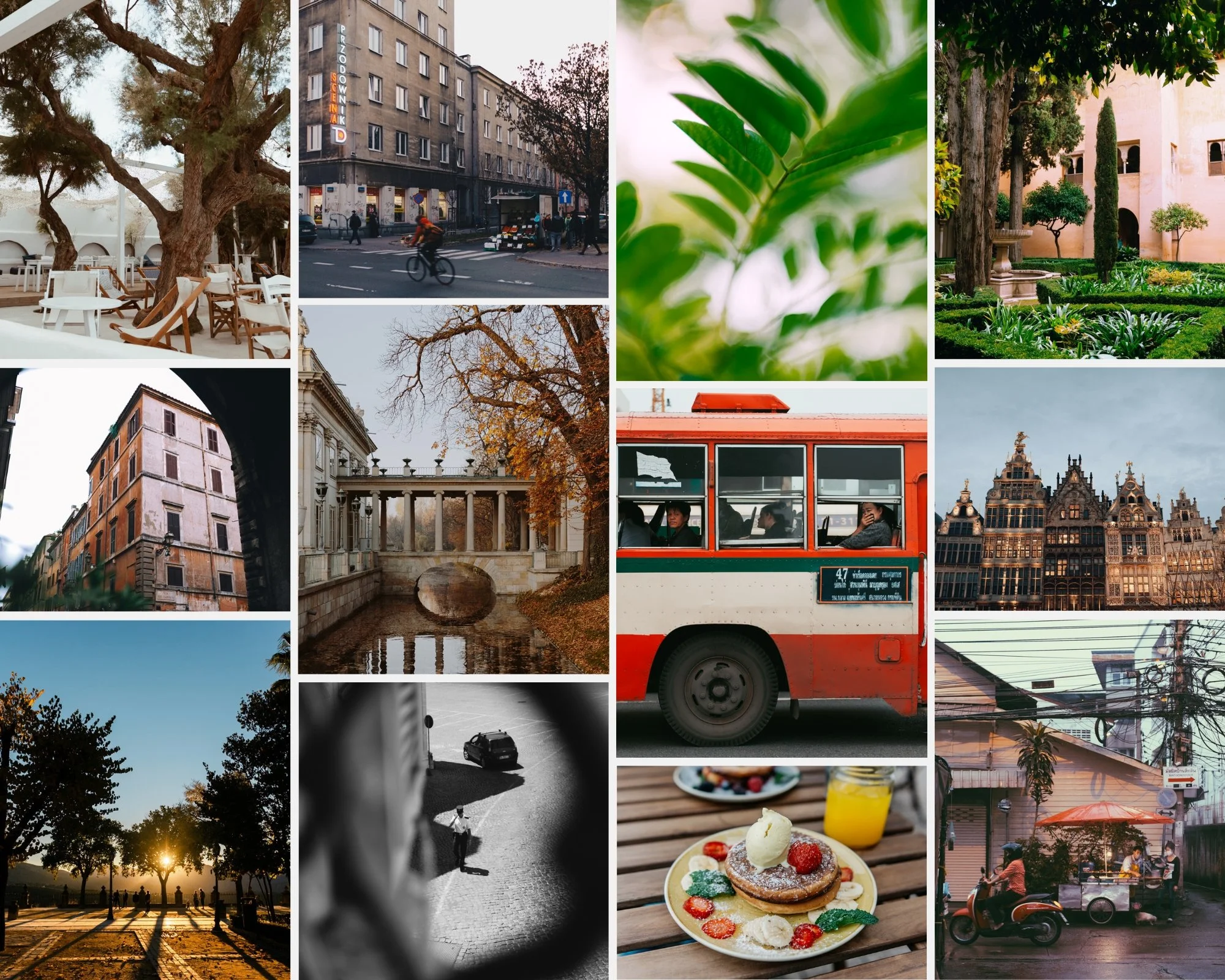
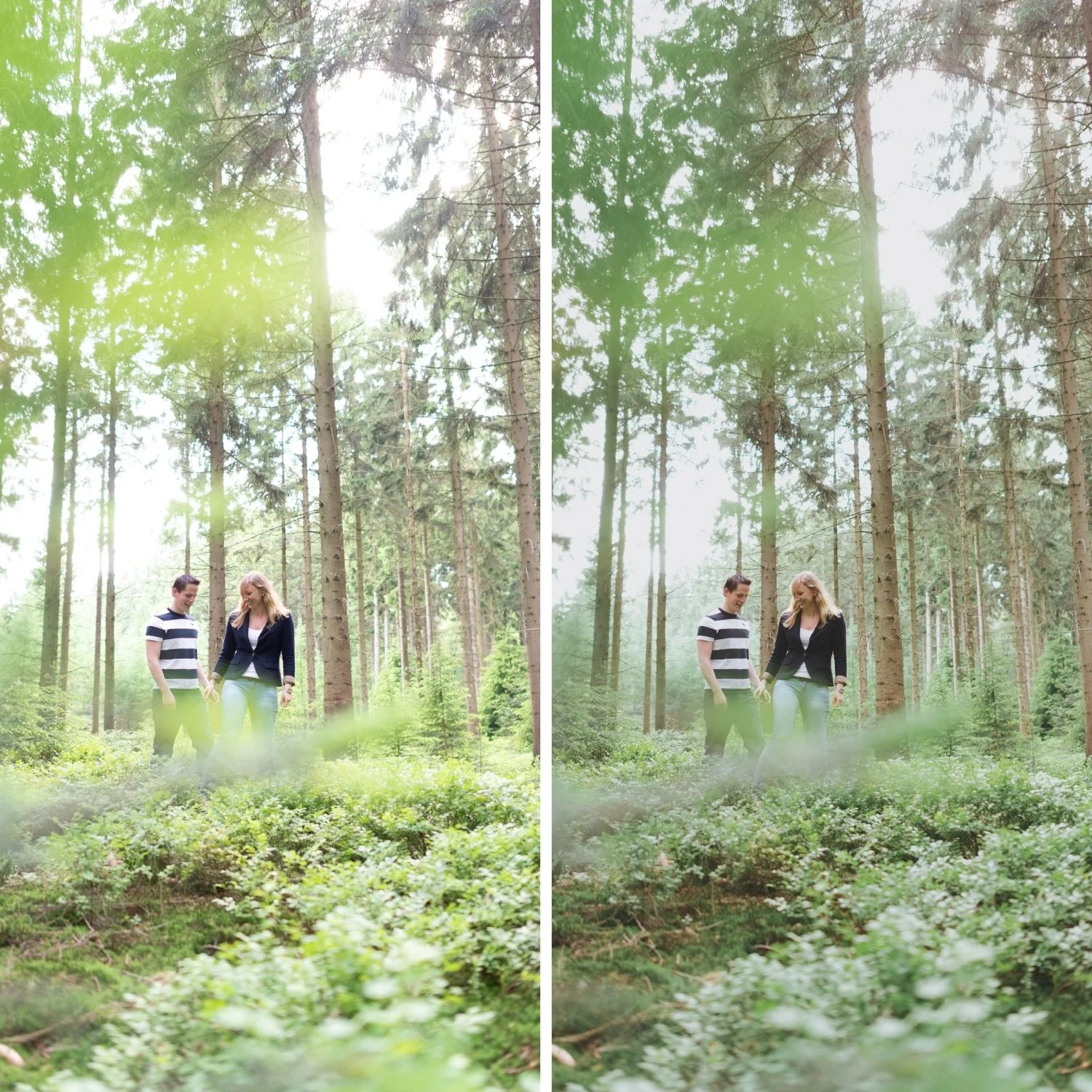
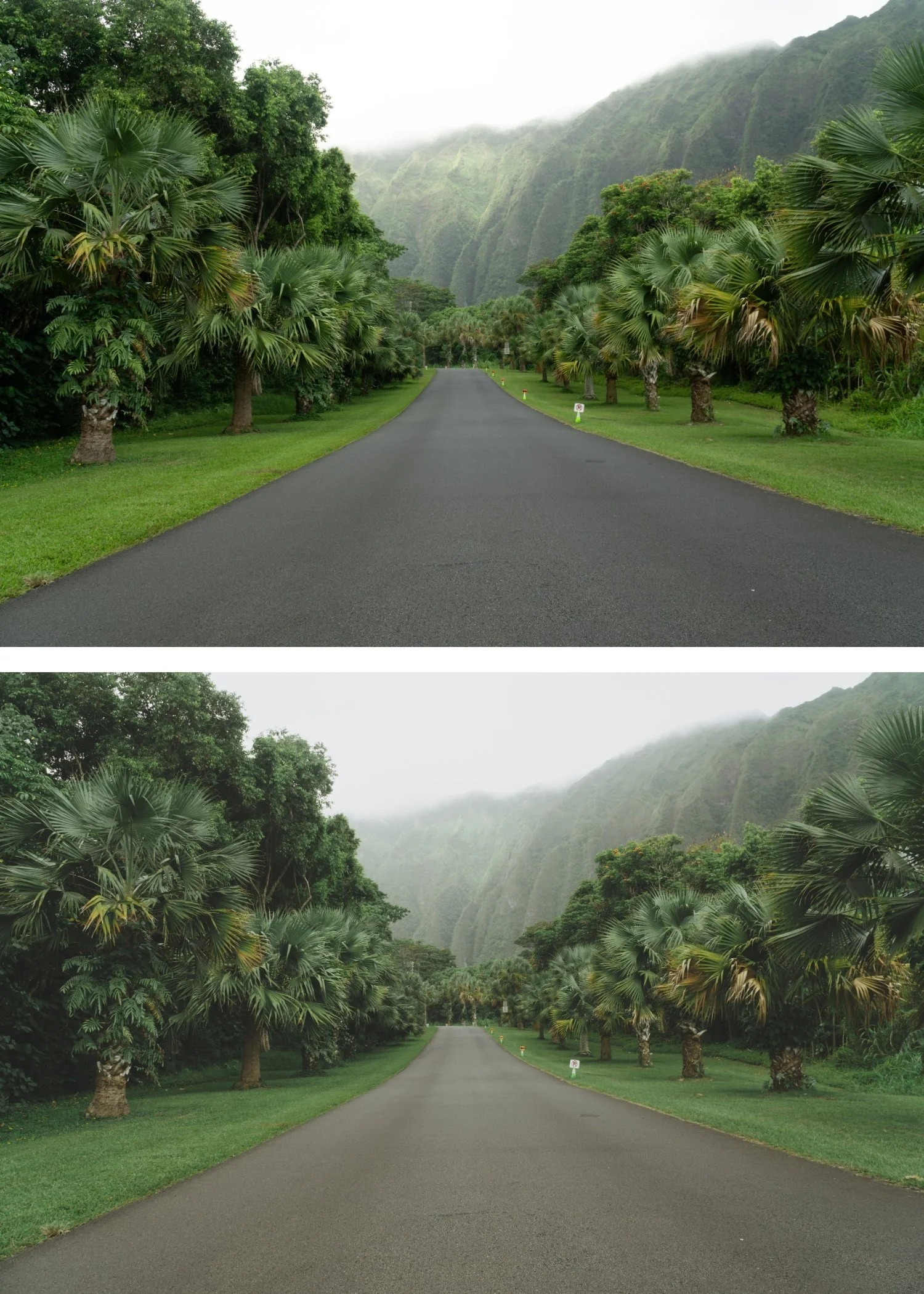
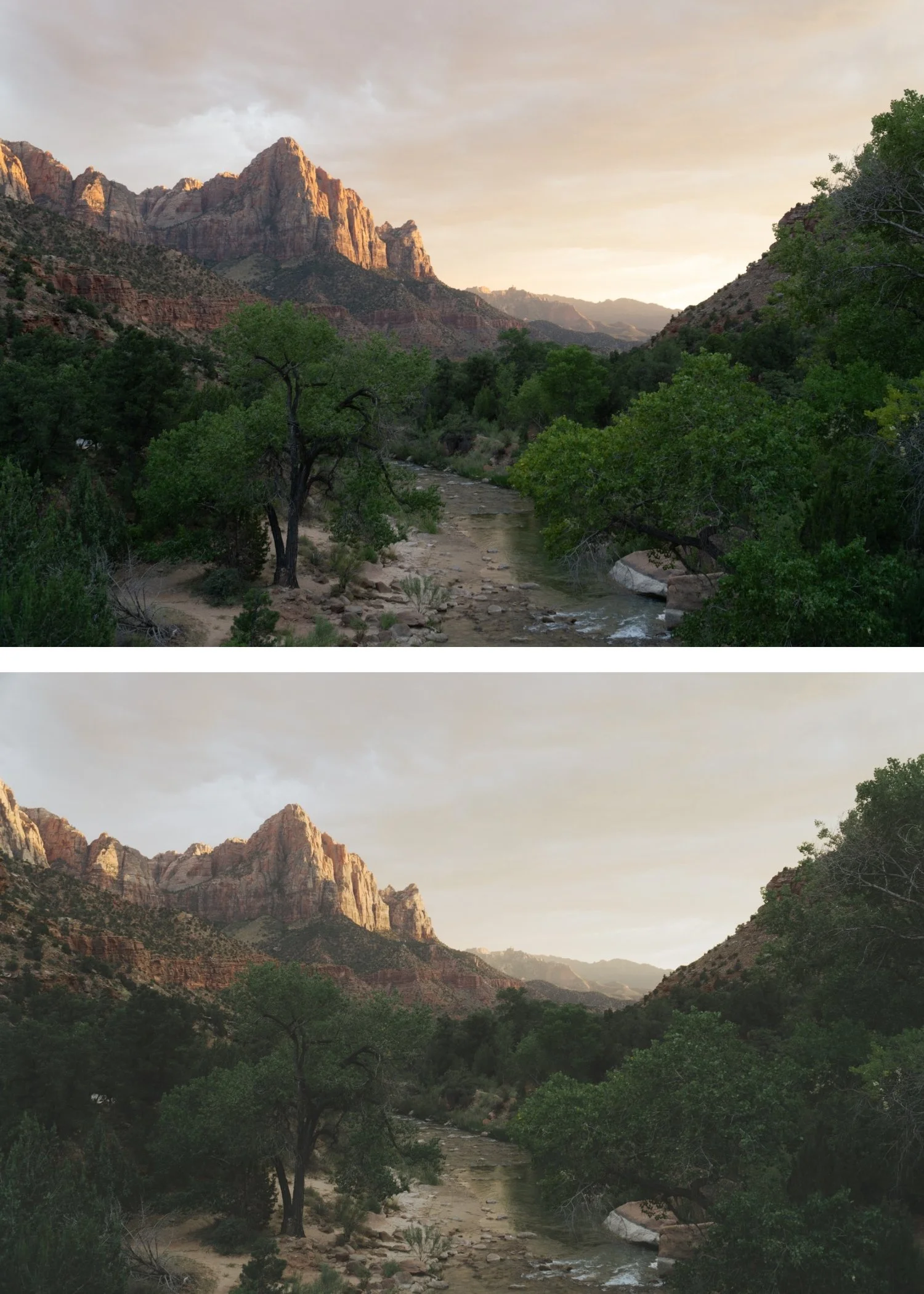
For landscape and travel: apply at 85-90% strength. A10 is at its best on subjects with inherent visual interest.
-
It makes strong photographs stronger. A10 does not improve weak photography. It amplifies what is already there — subjects with inherent character look more characterful, scenes with visual weight feel more substantial.
The depth is analog, not digital. A10 creates its depth through the same Tone Curve and shadow quality as the rest of the collection — organic, warm, dimensional. Not the flat digital depth of a Contrast slider.
It is the natural evolution of the collection. If you have worked through A1 to A9 and found them all slightly too restrained, A10 was made for you. It is the destination at the end of the analog spectrum.
It bridges the Analog and Moody collections. Photographers who want to explore the Moody Film Archive but want to see how deep the analog collection goes before committing should start with A10.
-
1 × A10 Cinematic Archive DNG file — for Lightroom Mobile on iPhone and Android
1 × A10 Cinematic Archive XMP file — for Lightroom Classic on Mac and Windows
Step-by-step installation guide
Lifetime access
-
This preset captures the crisp, modern aesthetic and subtle cool-toned finish similar to the iconic A10 mobile filters. It’s the perfect professional alternative for those chasing a high-end, minimalist film look on both desktop and mobile.
-
A10 works best on photos with good exposure — not underexposed. The cinematic depth adds to well-exposed photos. On underexposed photos, the depth character can make the result too dark.
For portrait photography with A10: reduce to 75-80% strength and add Orange Luminance +3 to +5 after applying to lift skin back toward natural brightness.
For landscape and travel: apply at 85-90% strength. A10 is at its best on subjects with inherent visual interest.
-
What is the difference between A10 and the Moody Film Archive? A10 is the most expressive preset in the analog collection — more depth and character than A1-A9 but still within the clean analog color family. The Moody Film Archive presets have deeper shadows, stronger Color Grading, and a deliberately atmospheric quality. A10 is characterful analog; moody presets are cinematic atmospheric.
Is A10 good for everyday photography? A10 is more suited to photography with inherent visual interest than to casual everyday snapshots. For everyday versatile use, A1 or A6 are better choices. A10 is for photographs where you want the edit to carry weight.
GET ALL 10 A-SERIES PRESETS
A10 is the collection's most expressive preset. The full Analog Film Archive gives you the complete spectrum — from clean and neutral (A1) to bright and airy (A2) to portrait-optimized (A6) to A10 at the cinematic end. Ten presets that work together. $2.70 per preset.
THE STUDIO ARCHIVE
Want everything? The Studio Archive contains 130+ presets — every collection we make, including the complete Analog Film Archive — for $89 total. That is $0.68 per preset with every future release included for life.