What Is RAW Photography? — Complete Beginner's Guide (2026)
What Is RAW Photography? — Complete Beginner's Guide (2026)
RAW is a file format — or more accurately, a family of file formats — that saves the complete, unprocessed data from a camera sensor. Where JPEG is a finished photograph, RAW is the source data from which the photograph is made. The distinction matters because it determines how much control you have in editing.
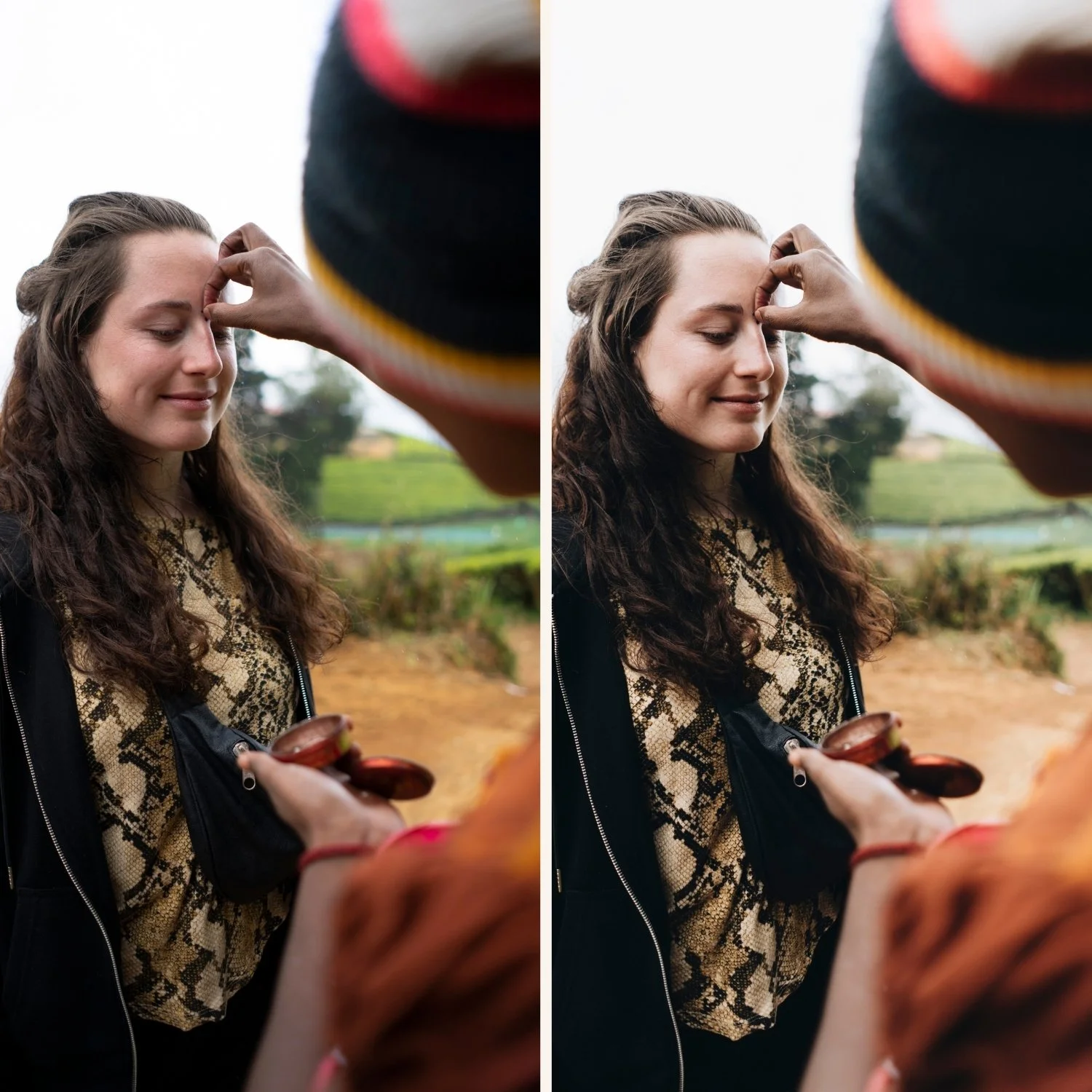
What RAW actually means
Every camera has a sensor that records light. When light hits the sensor, each pixel records a brightness value. These brightness values across all channels produce the image data.
With JPEG, the camera processes this data immediately: it applies the Picture Style (colour, contrast, sharpening), compresses the file using lossy compression, and discards approximately 60-70% of the original data. The result is a small, ready-to-use photo that looks good immediately.
With RAW, the camera saves the original sensor data with minimal processing. No sharpening baked in, no colour processing locked in, no lossy compression. The file is 3-5 times larger than a JPEG but contains all the original information.
This is why RAW is sometimes called a digital negative — like a film negative, it is the source material from which the final image is developed.
RAW vs JPEG: what changes in editing
White balance. In JPEG, white balance is baked into the file. Changing it in Lightroom is a colour correction applied on top. In RAW, white balance is metadata — changing it recalculates the entire colour render from the original sensor data. RAW white balance changes are non-destructive and more accurate.
Dynamic range. RAW files contain the full dynamic range of the sensor — typically 12-15 stops. JPEG files have approximately 8-10 stops because the camera clips highlights and shadows during processing. The Highlights and Shadows adjustments in film preset editing work with the full RAW latitude.
Colour precision. RAW files contain 12 or 14 bits of colour data per channel — 4,096 or 16,384 values. JPEG contains 8 bits — 256 values. The smooth tonal transitions in skin tones, sky gradients, and shadow detail benefit from this precision when editing.
Non-destructive editing. No adjustment made in Lightroom to a RAW file changes the original data. The original RAW file is always preserved. JPEG editing in Lightroom is similarly non-destructive but the underlying data is already processed.
RAW file formats by camera brand
Different manufacturers use different RAW formats:
| Brand | RAW format | Extension |
|---|---|---|
| Canon | CR2 / CR3 | .cr2, .cr3 |
| Sony | ARW | .arw |
| Nikon | NEF / NRW | .nef, .nrw |
| Fujifilm | RAF | .raf |
| Panasonic | RW2 | .rw2 |
| Olympus / OM System | ORF | .orf |
| iPhone ProRAW | DNG | .dng |
| DNG (universal) | Adobe DNG | .dng |
Lightroom supports all major RAW formats. Adobe periodically updates Lightroom to add support for new camera models — if your RAW files do not open in Lightroom, update to the latest version.
How to shoot RAW
On a camera: go to the image quality or file format settings in the camera menu. Change from JPEG to RAW, or select RAW + JPEG to capture both simultaneously. The exact menu location varies by camera model.
On iPhone: Settings, Camera, Formats, turn on Apple ProRAW. In the Camera app, tap the RAW button to enable for a specific shot.
On Android: download Samsung Expert RAW from the Galaxy Store (Samsung) or use a third-party camera app like Lightroom Camera or Halide that supports DNG capture.
Do you need RAW for film look editing?
RAW produces better film look results for specific reasons — the highlight recovery, shadow lift, and white balance precision in the film look workflow all benefit from RAW latitude. For most film look editing on well-exposed photos in good light, the practical difference between RAW and JPEG at social media output sizes is small.
RAW matters most in difficult light: high contrast scenes, bright highlights that clip, dark scenes with significant shadow lifting, and high-ISO situations where grain is applied after Denoise processing.
For a full comparison: JPEG vs RAW — Which Should You Shoot?
The Analog Film Archive works on RAW files
All TES presets install and apply to RAW files in Lightroom. The film look workflow — lifted blacks, highlight protection, Shadow Color Grading, grain — is calibrated for RAW as the primary format.
FAQ
Why are RAW files so large?
RAW files save the full sensor data without lossy compression. A 24MP camera produces approximately 25-30MB RAW files versus 5-8MB JPEG files. The larger file contains all the original information — the size is the cost of the latitude.
Can I open RAW files without Lightroom?
Yes. Most cameras come with proprietary software that opens their RAW format. Windows has a RAW Image Extension in the Microsoft Store. macOS Preview opens most RAW formats natively. However, Lightroom provides the most comprehensive non-destructive editing workflow for RAW files.
Do RAW files look bad straight from camera?
RAW files look flat and desaturated compared to JPEG in the preview because the camera's processing has not been applied. Lightroom applies a basic camera profile when you import that makes the RAW look closer to the camera JPEG. The film look preset then builds the final quality from this foundation.