Lightroom vs Capture One 2026 — Which Is Better for Photographers?
Lightroom vs Capture One 2026 — Which Is Better for Photographers?
Lightroom and Capture One are the two dominant professional photo editing applications. Both edit RAW files. Both have professional color tools. Both are used by working photographers worldwide. The difference comes down to color rendering quality, workflow philosophy, price, and — for film preset users — preset compatibility.
This is an honest comparison based on what matters for photographers who want film looks and consistent results.
Color quality — the most important difference
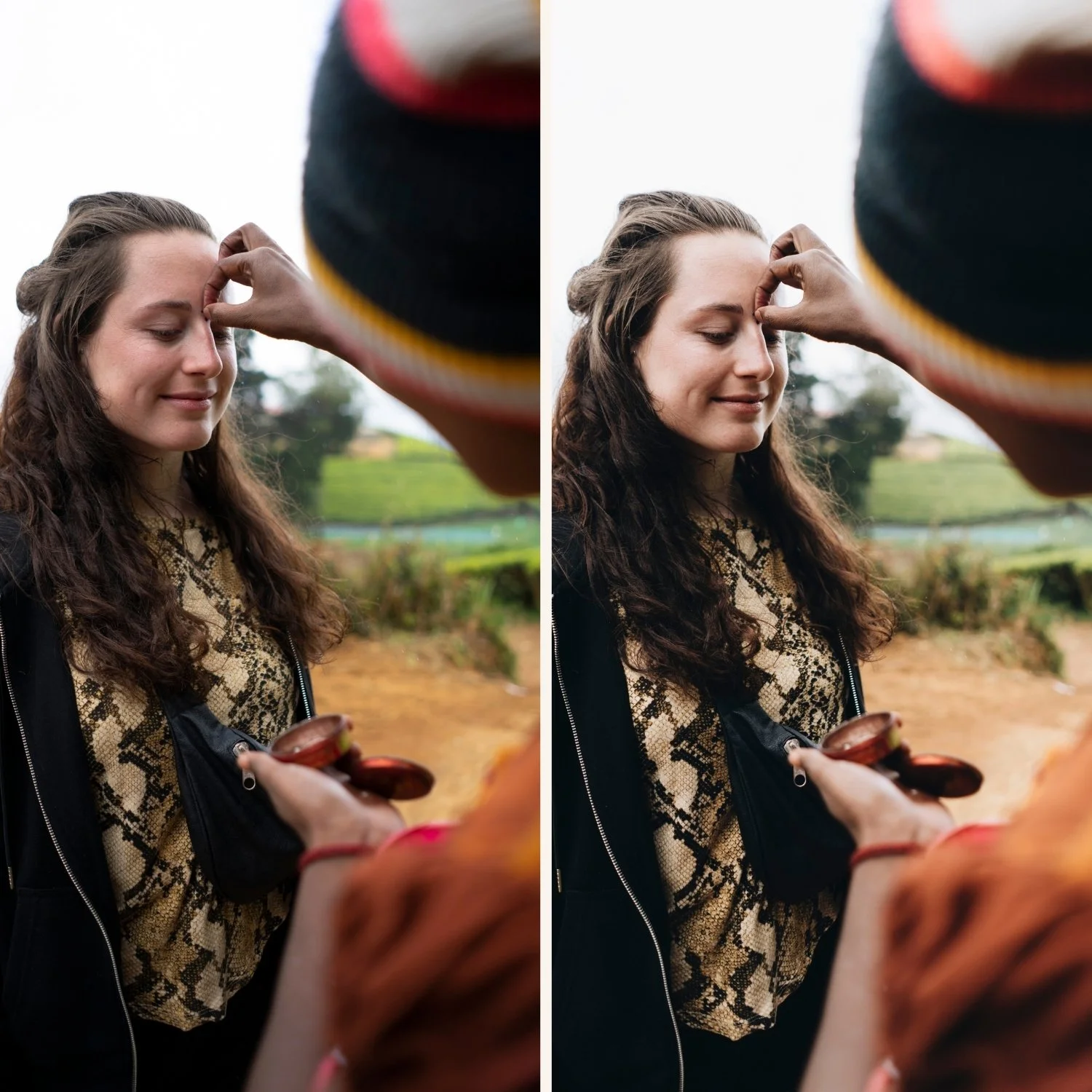
Capture One has a widely recognized advantage in color rendering quality. Its RAW processing engine renders colors — particularly in greens, magentas, and skin tones — with more accuracy and richness than Lightroom's default rendering.
This is most visible in two scenarios:
Fujifilm files. Capture One's Fujifilm processing is considered the best available. Lightroom's Fujifilm RAW rendering is noticeably less accurate. Fujifilm photographers who switch to Capture One consistently report more accurate, film-like color straight from the RAW file.
Skin tones in complex lighting. Capture One's skin tone rendering in mixed lighting is more accurate than Lightroom's. The difference is visible but not dramatic for most photography.
For all other camera brands — Sony, Canon, Nikon, most mirrorless — the difference is smaller and less consistent. Lightroom is adequate for most photographers.
Presets — Lightroom wins clearly
This is where Lightroom has a decisive advantage for film preset users.
Lightroom presets (XMP and DNG format) are the universal standard. Every preset shop, every tutorial, every YouTube guide uses Lightroom presets. The ecosystem is enormous.
Capture One has its own preset system (called "Styles") that is not compatible with Lightroom XMP presets. A Lightroom film preset pack does not work in Capture One without conversion, and the conversion is imperfect because the two applications have different color engines.
If you use film presets extensively — which most photographers reading this do — Lightroom is the significantly better choice purely based on preset availability and quality.
Workflow — different philosophies
Lightroom workflow: Catalog-based. One catalog manages your entire library. Non-destructive editing. Presets apply in one click. Simple export. The workflow is designed for speed and efficiency across large numbers of photos.
Capture One workflow: Session-based (for individual shoots) or catalog-based. More complex layer system. More precise masking tools. More customizable workspace. The workflow is designed for precision over speed.
For photographers shooting high volumes — wedding, portrait, events — Lightroom's speed advantage is significant. For commercial and editorial photographers who prioritize precision over volume, Capture One's toolset is more powerful.
Mobile — Lightroom wins
Lightroom Mobile is a full-featured mobile editing app available on iPhone and Android. It syncs with Lightroom Classic and CC automatically and allows full preset use on mobile.
Capture One has a basic mobile companion app but it is significantly less capable than Lightroom Mobile. For photographers who edit on their phones, there is no contest — Lightroom Mobile is far ahead.
Price comparison
Lightroom (Photography Plan): approximately €12/month — includes Lightroom Classic, Lightroom CC, and Photoshop.
Capture One Pro: approximately €24/month subscription, or €365 one-time purchase (perpetual license). Camera-specific versions (Fujifilm, Sony, Nikon) cost less.
Lightroom is significantly cheaper as a subscription. Capture One's one-time purchase option has long-term cost advantages if you plan to use it for several years.
Who should use Lightroom
Film preset users. The Lightroom preset ecosystem is the reason most film photographers choose Lightroom. No other application has the same quality and variety of film preset options.
High-volume photographers. Wedding, event, portrait photographers who deliver large galleries benefit from Lightroom's efficient batch workflow.
Mobile editors. Anyone who edits on their phone regularly — Lightroom Mobile has no equal.
Photographers on a budget. The Photography Plan at €12/month is the most cost-effective professional editing option available.
Most photographers. Unless you have specific reasons to need Capture One, Lightroom covers the needs of most professional and enthusiast photographers.
Who should use Capture One
Fujifilm photographers. Capture One's Fujifilm rendering is genuinely better. If you shoot Fujifilm RAW and color accuracy matters, Capture One is worth the extra cost.
Commercial and advertising photographers. The precision tethering, advanced color tools, and customizable workspace suit high-end commercial work.
Photographers who own (not rent) their software. The perpetual license option means you own Capture One permanently — no ongoing subscription required.
Photographers who have outgrown Lightroom's color tools. Capture One's Color Balance tool and layer system are more powerful than Lightroom's equivalents for complex color work.
Verdict for film preset photography
For photographers using film presets, the choice is clear: Lightroom.
The entire film preset ecosystem is built around Lightroom. The quality of film presets available for Lightroom far exceeds what is available for Capture One. Lightroom Mobile makes the workflow available on any device. The Photography Plan is cost-effective.
Capture One's color advantage is real but it is most visible in Fujifilm files and professional commercial work. For lifestyle, portrait, travel, and street photography with film presets, Lightroom is the better tool.
Free preset for Lightroom
FAQ
Is Capture One better than Lightroom for color?
Capture One's RAW color rendering is generally superior, particularly for Fujifilm files. For most cameras and most photography, the difference is smaller than the marketing suggests. Lightroom is adequate for professional work in most scenarios.
Can I use Lightroom presets in Capture One?
Not directly. Capture One uses its own Styles format. Some preset companies offer Capture One versions of their packs. Conversion tools exist but the results are imperfect because the two applications have different color engines.
Which is easier to learn?
Lightroom. The interface is more standardized and the workflow is simpler. Capture One has a steeper learning curve but more power once mastered.
Can I switch from Lightroom to Capture One without losing my edits?
Your RAW files are never altered by either application — the edits are stored as metadata or in catalogs. However, edits from Lightroom do not transfer to Capture One and need to be redone.