Film Presets for Video — Do Lightroom Presets Work on Video? (2026)
Film Presets for Video — Do Lightroom Presets Work on Video? (2026)
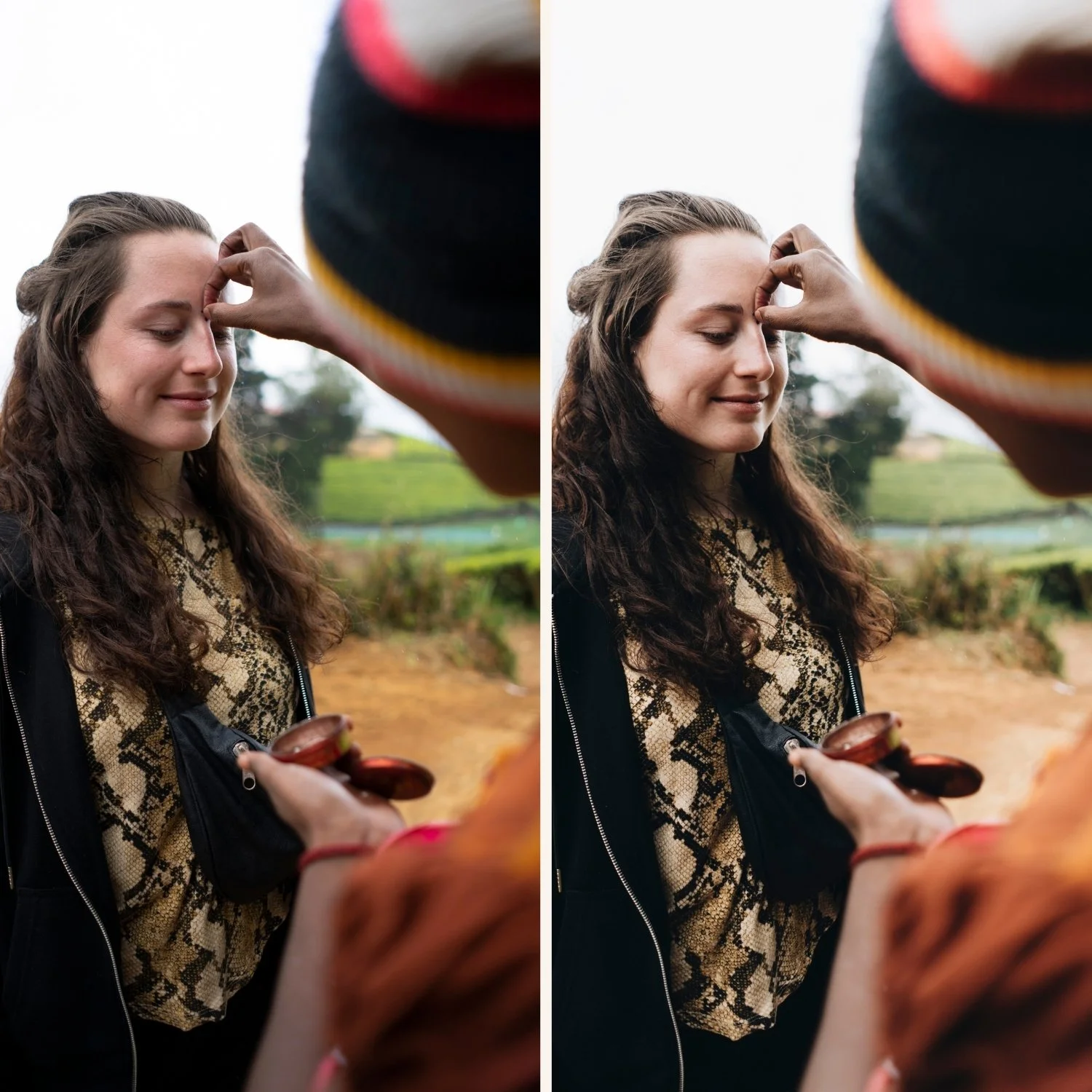
Lightroom presets do not apply to video. This is a technical limitation of Lightroom's architecture — presets work on still image data and Lightroom's video editing capability is minimal. If you are trying to apply a TES preset to video footage, it will not work the way it works on photos.
But the film look in video is achievable. The approach is different from Lightroom — it involves different tools and a different workflow — but the visual qualities you are after (warm organic colour, lifted shadows, film grain, soft contrast) can all be recreated for video.
Why Lightroom presets do not work on video
Lightroom's video editing capability is intentionally limited. You can adjust basic exposure and white balance on video clips in Lightroom, but the full develop module — including HSL, Tone Curve, Color Grading, and Effects — does not apply to video.
Some photographers have found workarounds involving exporting still frames, applying a preset, and importing back — this is not a practical workflow for real video editing and the results are frame-rate limited to single stills.
For video with film look colour, the correct tool is a dedicated video editor with LUT (Look Up Table) support.
How to get the film look in video
LUTs (Look Up Tables) are the video equivalent of Lightroom presets.
A LUT is a colour transformation file that maps input colour values to output colour values — the same principle as a Lightroom preset but applied to video colour data. LUTs apply in video editing applications including Premiere Pro, DaVinci Resolve, Final Cut Pro, and CapCut.
The film look in video is achieved by:
Step 1 — Shoot in a flat or log profile. Most mirrorless cameras (Sony S-Log, Canon C-Log, Fujifilm F-Log) and some smartphones (iPhone Cinematic mode, Apple ProRes Log) offer flat or log recording profiles that reduce in-camera contrast and saturation. This gives the colour grade more latitude — the same principle as shooting RAW versus JPEG for photo editing.
Step 2 — Apply a film look LUT in your video editor. A film look LUT applies warm colour, lifted shadows, muted saturation, and the tonal quality of the film look to flat or log footage. DaVinci Resolve has a free LUT library. Premiere Pro supports LUT import. Final Cut Pro uses a similar colour effect system.
Step 3 — Adjust per clip. The same principle as Lightroom editing: the LUT is the consistent foundation, per-clip exposure and white balance corrections are applied on top.
Translating the Lightroom film look to video manually
If you know the specific Lightroom values for your film look, you can recreate most of them in a video editor's colour grading tools:
| Lightroom adjustment | Video equivalent | Where to find it |
|---|---|---|
| Blacks +20 | Lift the blacks in Lift/Gamma/Gain | DaVinci Resolve, Premiere Lumetri |
| Highlights -40 | Reduce Gain highlights | Lumetri Color, DaVinci wheels |
| Shadow Color Grading Hue 38 Sat 14 | Shadows wheel toward amber | Color wheels in any video editor |
| Vibrance -12 | Saturation -12 to -15 | HSL/Saturation panel |
| Green Hue +10 toward yellow | Hue vs Hue curve, green toward yellow | DaVinci Resolve curves |
| Orange Luminance +15 | Hue vs Lum curve, orange up | DaVinci Resolve curves |
DaVinci Resolve Free is the most capable tool for this level of colour control and is free to download and use.
Grain in video
Lightroom's grain is a still image effect. For video grain, two options:
In-camera: Fujifilm cameras can apply film grain to video using their film simulations. The Classic Chrome or ETERNA simulation with Grain Effect set to Weak or Medium applies authentic film grain directly to the recorded file.
In post: DaVinci Resolve has a Film Grain effect (Resolve FX). Premiere Pro has a Noise effect. Apply after the colour grade at an amount equivalent to Lightroom's Amount 20-25.
The Analog Film Archive and video
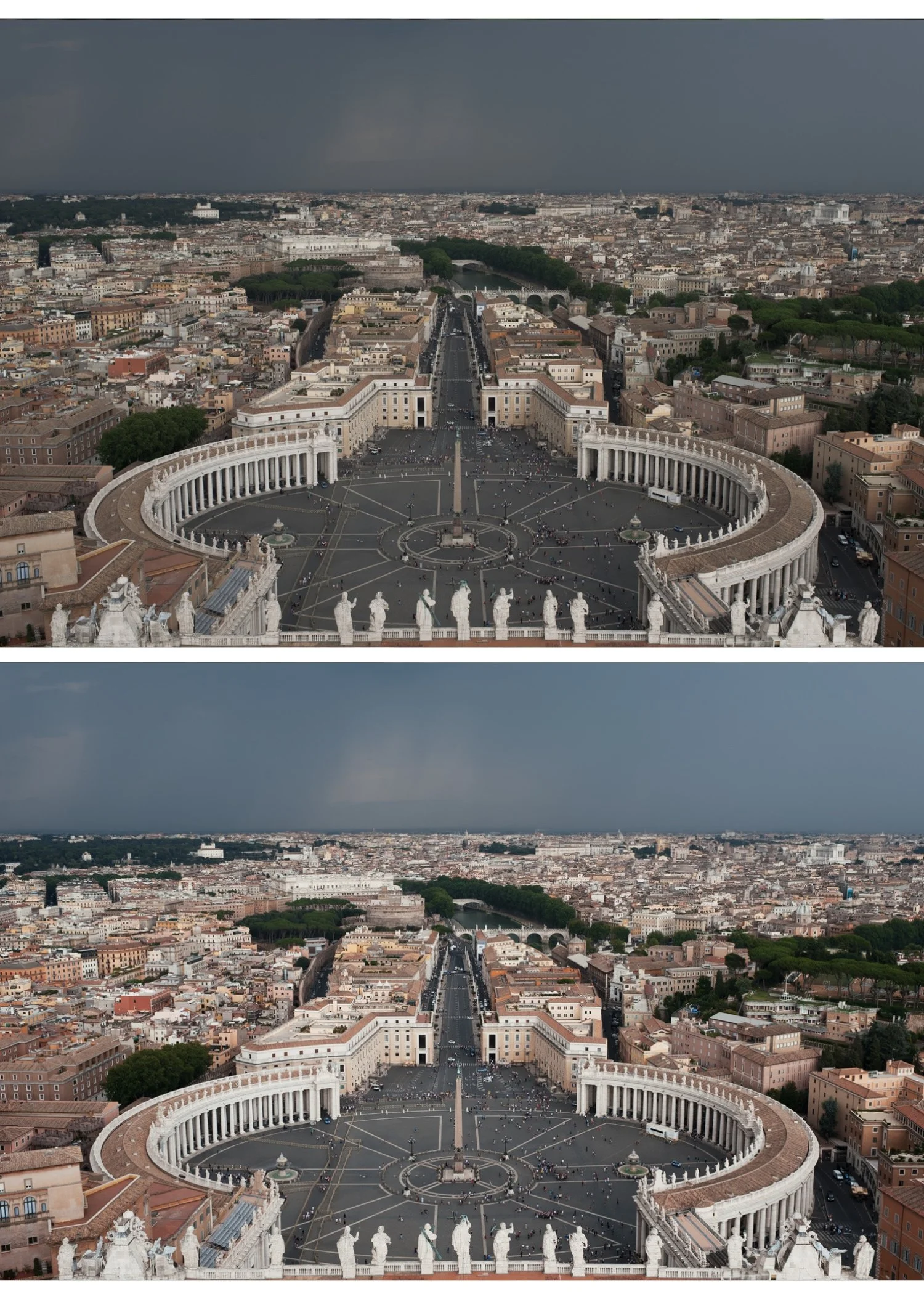
The presets in the Analog Film Archive are calibrated for still photography. They do not apply to video files in Lightroom. However, the specific colour values in the presets can be used as a reference for building a matching video colour grade — the Shadow Color Grading values, the HSL adjustments, and the tonal characteristics are all reproducible in a video editor.
For photographers who shoot both photo and video, using the Analog Film Archive presets as the photo reference and then manually matching the colour grade in DaVinci Resolve produces the most cohesive photo-video output.
FAQ
Can I apply a Lightroom preset to a video clip?
No. Lightroom's develop module does not apply to video. Basic exposure and white balance adjustments are available on video in Lightroom, but the full preset functionality including HSL, Tone Curve, Color Grading, and grain does not work on video files.
What is the best free tool for film look video editing?
DaVinci Resolve Free. It is the industry standard colour grading tool, free for all features except collaboration, and has the most comprehensive colour grading controls of any free video editor.
Does CapCut support LUTs?
Yes. CapCut supports LUT import on both mobile and desktop. For social media video content, CapCut with a film look LUT is a practical mobile workflow.
Can I use my iPhone to get a film look video?
Yes. Shoot in Cinematic mode or Apple ProRes Log (iPhone 15 Pro+), then apply a film look LUT in CapCut or DaVinci Resolve. For a simpler approach, Fujifilm cameras with film simulations produce in-camera film look video without post-processing.