Best Film Presets for Christmas Photos (2026)
Best Film Presets for Christmas Photos (2026)
Christmas photography happens in the most challenging lighting conditions of any season. Indoor scenes mix warm tungsten from candles and Christmas tree lights with cooler ambient daylight. Family portraits span every lighting condition from dim living rooms to outdoor snow. Getting the editing right requires understanding how these light sources interact — and which presets handle warm artificial light without pushing everything orange.
The Christmas lighting problem
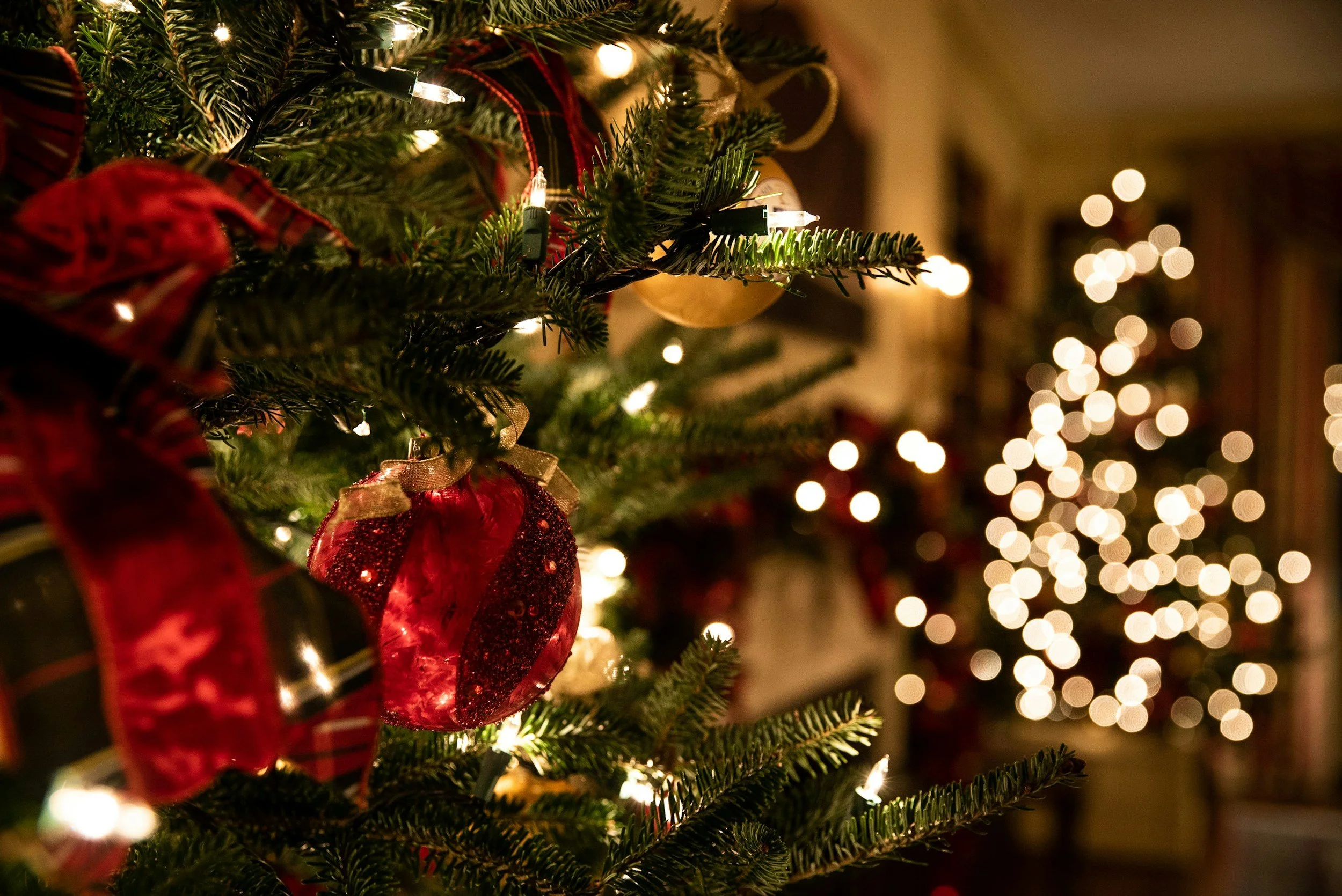
Most Christmas photography happens under warm artificial light. Candles, fairy lights, and Christmas tree bulbs have colour temperatures of 1,800-3,200K — very warm by photographic standards. Auto white balance and warm film presets applied without correction produce orange, unnatural results.
The correct approach: fix white balance for the ambient light before applying the preset. The preset adds the film quality on top of a correctly balanced starting point — not on top of an already-warm auto white balance.
Indoor candles and Christmas lights: set Temperature to 3,000-3,800K in Lightroom. This keeps the warmth of the light while removing the excess orange cast.
Mixed Christmas lights and window daylight: 4,200-4,800K. The mixed sources average out.
Outdoor snow and winter: 5,800-6,500K. Snow reflects cool blue sky — keep white balance slightly cool.
Indoor flash with Christmas decor: 5,500-6,000K. Flash is daylight-balanced and overrides the warm ambient.
Tonal settings for Christmas photography
Highlights: -45 to -60. Christmas lights and candles blow highlights very easily. Fairy lights are point light sources that clip to pure white without protection. This is the most aggressive highlight reduction of any season.
Blacks: +15 to +20. The film shadow floor is important for Christmas photography — warm, lifted shadows suit the intimate holiday atmosphere without going grey.
Exposure: -0.1 to -0.2 for indoor scenes. Christmas photography is slightly darker than neutral — the intimate dim quality is part of the aesthetic.
Contrast: -12 to -15. Indoor Christmas light is low-contrast naturally. Reducing contrast further aligns the edit with the ambient quality.
Clarity: -10 to -12. Soft, intimate edge rendering for family and candle-lit portraits.
Color Grading for Christmas
Shadow Color Grading: Hue 35-38, Saturation 18-22. The richest shadow warmth of any season. Christmas shadow warmth is more saturated than standard film look — the amber in the shadows creates the specific enclosed, intimate quality of holiday photography.
Highlight Color Grading: Hue 40-45, Saturation 6-8. The warm amber in the highlights reinforces the interior light quality.
This combination creates the specific warm-inside-cold-outside quality of Christmas photography — warm shadows and warm highlights with the controlled amber of candlelight.
Grain for Christmas
Amount: 22-28. Size: 26-30. Roughness: 48-54.
More grain than spring or summer work. Indoor Christmas photography in low light carries grain naturally — it reinforces the film quality of the look. For very dark candle-lit photos shot at high ISO: apply AI Denoise first, then add grain at these values.
Best presets per Christmas scenario
Candlelit indoor scenes: M5 Warm Dark at 78%. The deepest shadow warmth in the collection suits low-key candlelit photography best. The warm amber shadow quality references firelight and candles.
Christmas morning family portraits: A6 Clean Portrait at 85%. Versatile enough for the mixed lighting of a Christmas morning — window light, overhead lights, warm ambient together.
Christmas tree bokeh and ornament detail: M4 Moody Classic at 80%. The controlled shadow depth and warm character suit decorative close-up photography.
Outdoor snow portrait: A6 at 85% with White Balance 6,000K, Tint +5. The cool snow ambient corrected to neutral-warm.
Festive lifestyle — food, gifts, flat lay details: A4 Golden Warmth at 82%. The golden character suits warm-lit Christmas detail shots naturally.
Camera-specific adjustments for Christmas
Canon: Camera Neutral profile. Canon's inherent warmth plus warm Christmas ambient can push toward orange — Camera Neutral reduces this.
Sony: Camera Standard. Sony's neutral colour handles warm indoor light well. Green Hue +8 if any warm LED lights have a slight green quality.
iPhone: disable Smart HDR for candle-lit scenes if possible (Camera settings). Smart HDR blends exposures in a way that can flatten the intimate dim quality of candlelight. ProRAW provides significantly better highlight recovery on Christmas tree lights and candles.
The Moody Film Archive for Christmas
The M4 and M5 presets are specifically calibrated for warm, atmospheric, low-light scenarios — exactly the conditions of indoor Christmas photography.
Explore the Moody Film Archive — $27 →
For the complete TES collection including all ten Analog Film Archive presets, all six Moody Film presets, and more:
FAQ
Why do my Christmas photos always look orange?
White balance was not corrected before applying a warm preset. Indoor Christmas light is already very warm — a warm preset on Auto white balance doubles the warmth. Correct Temperature to 3,200-3,800K for candle scenes and 4,000-4,500K for mixed indoor light before applying.
Which preset handles both indoor and outdoor Christmas photos in the same session?
A6 Clean Portrait handles both with different white balance settings. Indoor: 3,500-4,500K. Outdoor snow: 5,800-6,200K. Same preset, different white balance calibration per photo.
How do I get detail in Christmas lights without blowing them?
Christmas tree lights and fairy lights are point light sources — at full brightness they will clip to pure white regardless of settings. Expose conservatively in camera (exposure compensation -0.5 to -1.0) so the lights are as dim as possible without losing the effect, then apply Highlights -55 to -65. Some clipping is acceptable and expected — the glow around lights is part of the aesthetic.
Does M5 work for Christmas portrait photography?
M5 is primarily for atmospheric scene and interior photography. For Christmas portraits where skin rendering matters, A6 at 82-85% with Shadow Color Grading Saturation 16-18 produces the warm holiday quality with better skin tones than M5.