The History of Film Color Science — How Analog Photography Shaped the Modern Look
The History of Film Color Science — How Analog Photography Shaped the Modern Look
The color characteristics of film photography were not designed to look beautiful. They were engineering compromises — the best results achievable given the chemical and optical constraints of analog recording technology. The warmth, the grain, the soft highlight roll-off, the lifted shadow floor — all of these qualities emerged from the limitations of silver halide chemistry. They became the reference for beautiful photography not because they were intended to, but because the photographers who produced the most meaningful work of the 20th century worked within these constraints and the world learned to associate their output with quality.
This is the history of how those characteristics developed — and why understanding it makes you a more intentional editor.
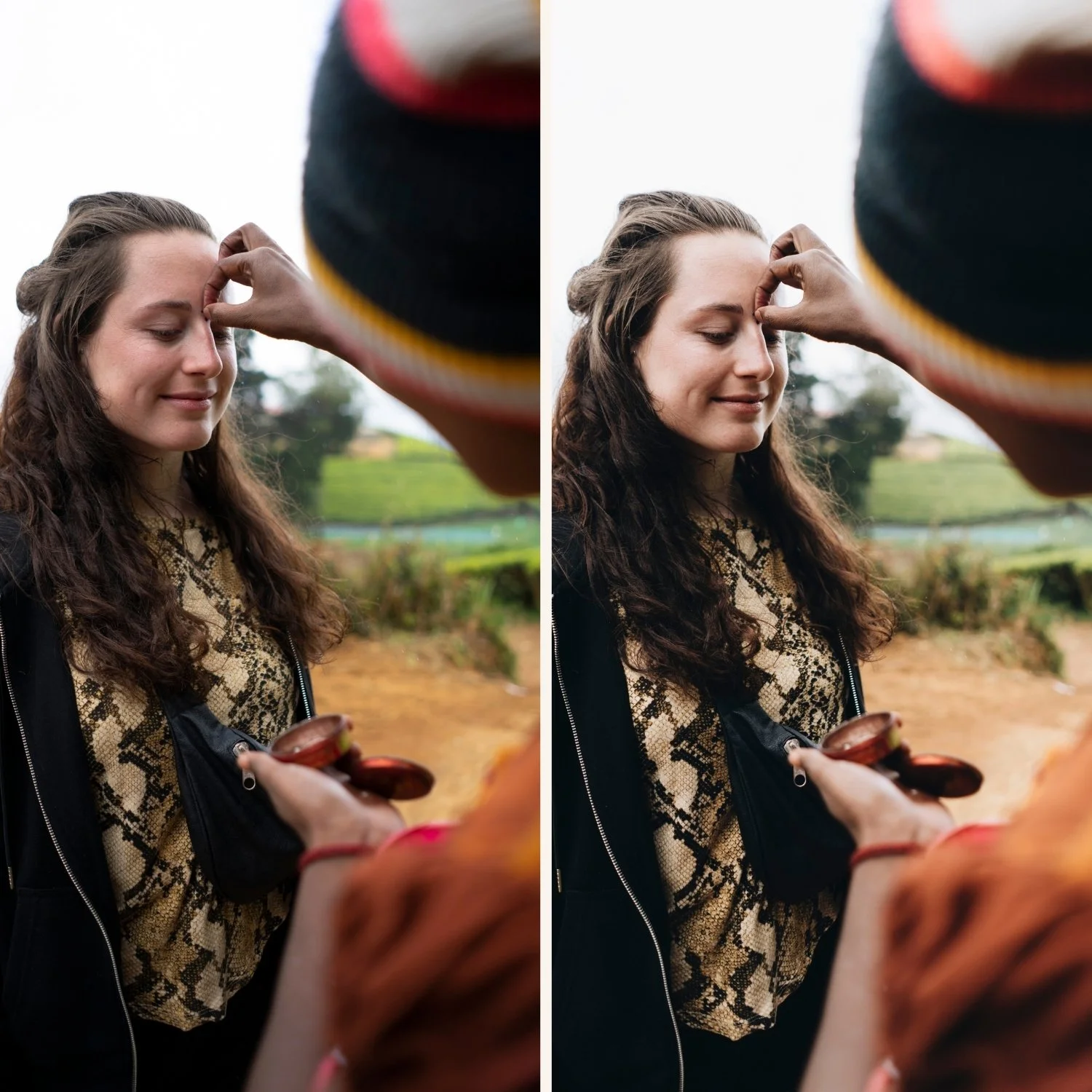
Early photography and the orthochromatic problem (1840s-1900s)
The first photographic emulsions were sensitive only to blue and violet light. The result was extreme colour distortion: blue skies photographed as pure white, red subjects photographed as near-black, and skin tones that were almost impossible to render naturally.
Orthochromatic film (sensitive to blue and green but not red) improved matters but retained a characteristic quality: warm colours were underexposed relative to cool colours. Red lips appeared dark. Ruddy skin appeared pale. The specific tonal quality of early portrait photography — the pale, cool-toned skin of Victorian photographs — was not a stylistic choice but a technical limitation.
Photographers of the era compensated with lighting design. The specific softbox quality of Victorian portrait lighting, the diffused window light of 19th-century portrait studios, the painting-like quality of early photographic portraiture — all developed as responses to the colour sensitivity limitations of orthochromatic emulsion.
Panchromatic film and the birth of natural tones (1900s-1930s)
The development of panchromatic film — sensitive to all visible wavelengths including red — transformed photography's relationship with colour rendering in black and white. Skin tones began to appear in their natural tonal relationship to backgrounds and shadows. The dramatic quality of orthochromatic photography gave way to the more naturalistic rendering of panchromatic work.
The 1920s and 1930s represented the first period in photography where technical capability approached the goal of natural appearance. The great photographers of this era — Ansel Adams, Edward Weston, Dorothea Lange — worked with panchromatic film and the specific tonal qualities it offered: full tonal range, organic grain, and the beginning of the shadow detail preservation that would become a defining quality of the best photography.
Kodachrome and the invention of colour film character (1935-1970s)
Kodachrome, introduced by Kodak in 1935, was the first commercially successful colour reversal film. Its colour science was distinctive: bold, saturated primary colours, particularly vivid reds and blues, with a warmth in the shadow range from the way the dye layers interacted with the film base.
Kodachrome's colour characteristics were not universally considered beautiful at the time of introduction. Early debates about the film centred on whether its saturation was too vivid, whether its rendering of skin was too red-orange, whether its blues were too bold for natural photography.
The photographers who embraced Kodachrome — most visibly the photojournalists of Life magazine and National Geographic — defined the aesthetic of mid-20th century colour photography. The Kodachrome look became synonymous with quality photojournalism, travel photography, and cultural documentation. By the 1960s and 1970s, its specific colour characteristics had become the reference for how a good colour photograph should look.
This is the origin of the vivid colour direction in film photography — the bold saturation and warm-red character that Lightroom's "Kodachrome" Camera Calibration profile attempts to recreate.
Fuji and Kodak in the 1970s-1990s: the professional film era
The professional film stocks that most directly inform current film preset aesthetics were developed between the mid-1970s and mid-1990s.
Kodak Portra (introduced 1998 as the successor to Vericolor) was engineered specifically for professional portrait photography. Its design brief was natural skin tones across a wide exposure range, exceptional highlight latitude, and fine grain at ISO 400. The warm, golden-creamy skin tones of Portra came from how its dye layers were calibrated to the specific wavelengths of skin-tone light. The lifted shadow floor came from the film base itself — a warm grey-base that prevented pure black while giving shadows an organic warmth.
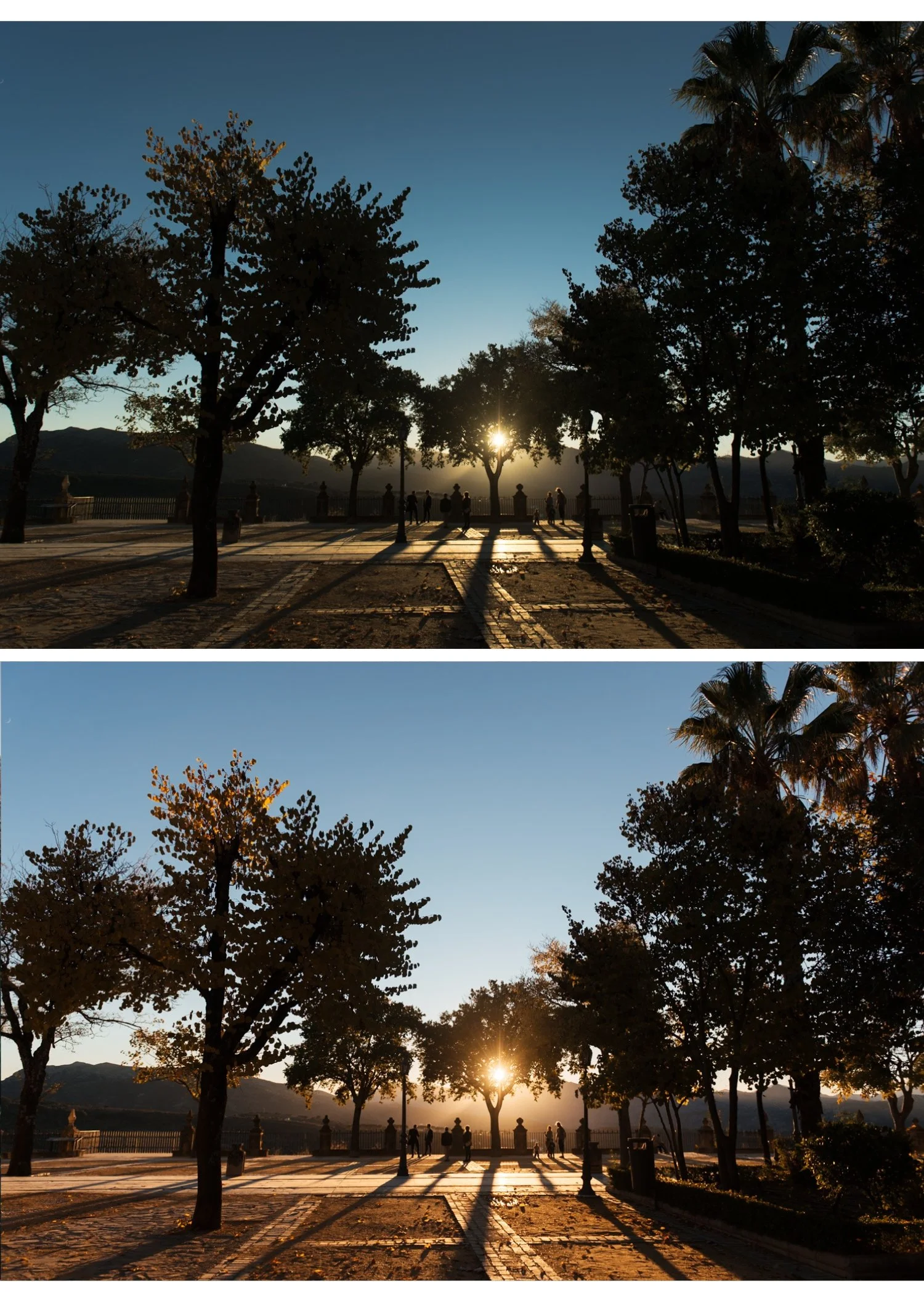
Fujifilm Velvia (introduced 1990) took the opposite direction: extremely high saturation, vivid colour, designed for landscape and nature photography where maximum colour intensity was the goal. Velvia's greens were deeper and more vivid than any previous colour film. Its blues were colder and more saturated. The Velvia look became the reference for landscape photography in the 1990s and early 2000s.
Fujifilm 400H (introduced 2003) was designed for fashion and editorial photography in cool, overcast light. Its colour science was deliberately cool and slightly desaturated compared to Portra — the fashion industry's preference for a more restrained, editorial colour quality over Portra's warm flattering approach.
These three stocks defined three distinct professional colour directions that remain the primary references for film preset aesthetics today: the warm portrait quality of Portra, the vivid landscape quality of Velvia, and the cool editorial quality of 400H.
The digital transition and why film's limitations became desirable (1990s-2010s)
Digital photography's arrival in professional use from the mid-1990s created an irony: the removal of film's technical limitations was initially celebrated, then gradually mourned.
Early digital photography was technically superior to film in most measurable ways: lower noise at high ISO, consistent exposure, immediate feedback, no grain at base ISO. The images were sharp, clean, and accurate. They also, as photographers gradually acknowledged, lacked the qualities that had made the best film photography beautiful.
The specific qualities that digital photography removed were not defects but characteristics: the lifted shadow floor from film's base density, the organic grain from silver halide crystals, the soft highlight roll-off from the chemistry of dye layer response, the specific colour warmth from how film dye layers responded to light.
By the mid-2000s, photographers who had transitioned to digital were applying Film Grain and split-tone adjustments to simulate what they had lost. By the early 2010s, this had evolved into the film preset market — the attempt to add back the qualities that digital photography had optimised away.
Why the film look remains relevant in 2026
The film look is not a nostalgic recreation of a past technology. It is a set of visual qualities that correspond to how human visual memory works — warm, slightly lifted, with organic texture and soft contrast.
Digital photography will continue to become more technically capable. Sensors will have more dynamic range, more megapixels, more accurate colour. The film look will become more deliberately applied as digital capture becomes more clinical.
The photographers who understand the history of these characteristics — why grain exists, why shadows are warm, why highlights roll off softly — are the photographers who apply them intentionally rather than by template. That intentionality is what separates the film look as a personal aesthetic from the film look as a filter applied without understanding.