VSCO App Review 2026 — Is It Worth It? (+ Free Lightroom Alternative)
VSCO App Review 2026 — Is It Worth It? (+ Free Lightroom Alternative)
VSCO has been the go-to film aesthetic app for photographers since 2012. The A-series filters, the clean interface, the community built around photography rather than follower counts — it built a loyal following for good reasons.
But in 2026, the question isn't whether VSCO is good. It's whether the subscription model is still worth it when alternatives have caught up.
This is an independent review. VSCO has not sponsored or endorsed this guide.
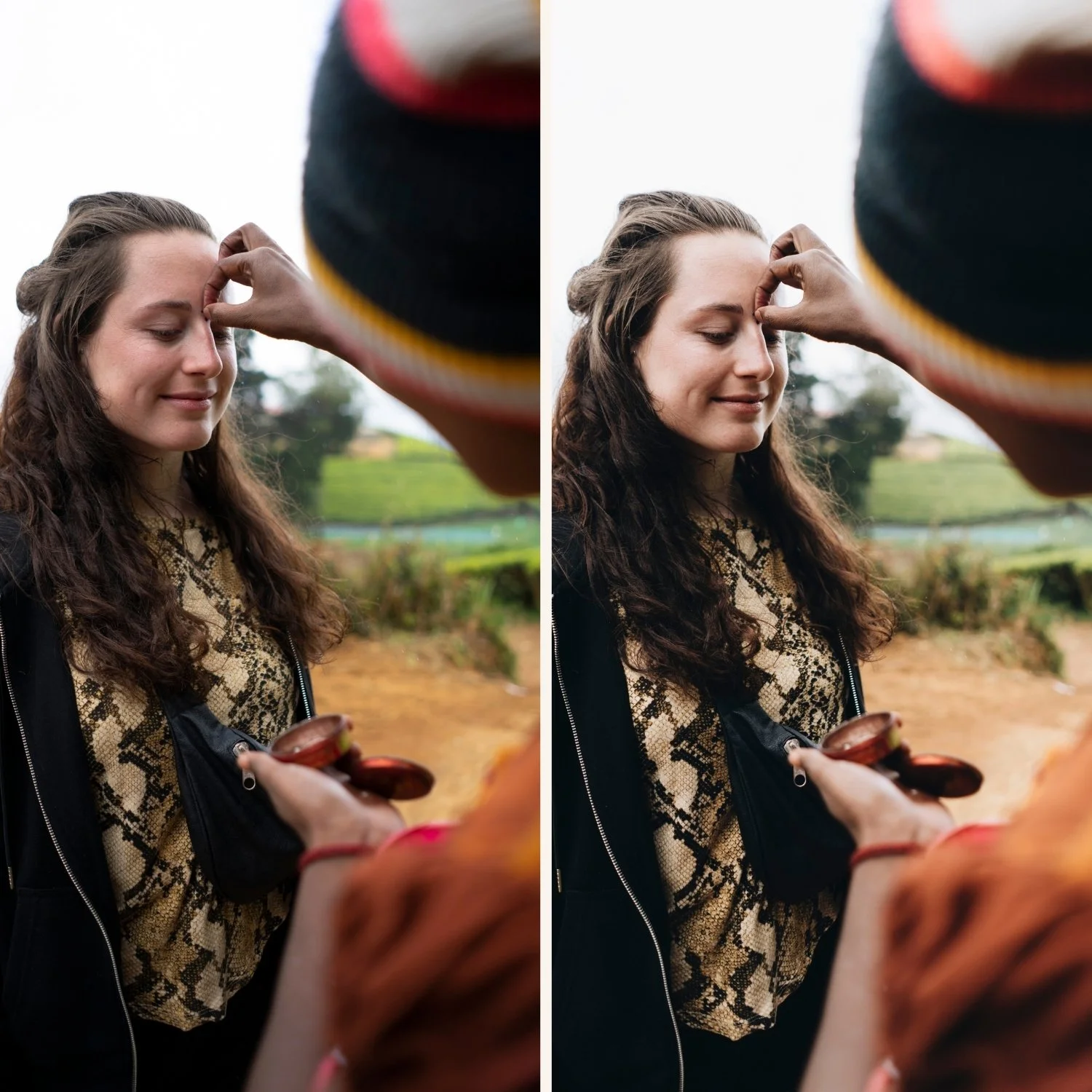
What is VSCO?
VSCO (Visual Supply Company) is a photo and video editing app available on iOS and Android. It's built around two things: a library of film-inspired presets and a social community focused on photography rather than likes and follower counts.
Unlike Instagram, VSCO has no public like counts, no public follower numbers, and no algorithm pushing you toward viral content. It's designed as a creative space first, social platform second — which is a genuine differentiator in 2026.
VSCO pricing in 2026
VSCO has three tiers:
Free — basic editing tools and a limited selection of presets. Good for testing the app before committing.
VSCO Plus — $29.99/year ($2.50/month) — full preset library of 200+ filters, RAW editing support, video editing, and the ability to save custom "Recipes" (preset combinations). This is the tier most photographers use.
VSCO Pro — $59.99/year ($5/month) — everything in Plus, plus AI features including object removal, image upscaling, client galleries with password protection, and analytics. Aimed at professional photographers.
What VSCO does well
Film-inspired presets — this is still VSCO's strongest point. The A-series, C-series, and other film packs are genuinely well-crafted. Skin tones, highlight roll-off, and grain behavior all feel closer to actual film than most competing apps. If you want a film look on mobile without learning Lightroom, VSCO delivers.
No algorithm pressure — VSCO's community feed has no public likes, no follower counts, and no engagement metrics. For photographers who want to share work without the performance anxiety of Instagram, this is a real benefit.
Clean interface — VSCO's editing interface is minimal and fast to navigate. The workflow from import to export is straightforward once you learn where everything is.
RAW support (paid) — the Plus and Pro tiers support RAW files, which means the presets work with the full quality of your original image rather than a compressed JPEG.
Recipes — the ability to save custom combinations of adjustments as a "Recipe" and apply them with one tap is genuinely useful for batch consistency on mobile.
Where VSCO falls short
The subscription model — this is the most significant issue. VSCO used to sell individual filter packs as one-time purchases. In 2016, they switched to a subscription model — and users who had paid for filter packs permanently lost access to them unless they subscribed. You're not buying presets, you're renting access. Cancel your subscription and you lose your entire filter library.
Limited manual control — compared to Snapseed or Lightroom Mobile, VSCO's manual editing tools are basic. The highlights and shadows sliders are less precise than Lightroom's tone curve, and there's no selective adjustment tool for editing specific areas of a photo.
No desktop app — VSCO is mobile-only. If your workflow involves editing on a computer and syncing to your phone, VSCO doesn't fit. The website exists but is limited.
AI features are iOS-only — the newer AI tools in VSCO Pro (object removal, upscaling) are currently only available on iPhone. Android users pay the same price for fewer features.
Export adds an extra step — VSCO doesn't post directly to Instagram. You edit in VSCO, export to your camera roll, then upload to Instagram. Most photographers are used to this workflow, but it's worth knowing.
VSCO vs Lightroom presets — the key difference
The fundamental difference between VSCO and Lightroom presets isn't the quality of the looks — it's ownership and flexibility.
VSCO: subscription-based access to presets you don't own, limited manual control after applying, mobile-only.
Lightroom presets: one-time purchase, permanent ownership, full manual control after applying, works on desktop and mobile, supports RAW files from any camera.
The film-inspired aesthetics that made VSCO popular — the A-series clean look, the warm analog tones, the muted film feel — are all replicable in Lightroom with a preset. The difference is that you own the preset, you can adjust every slider after applying it, and it works on RAW files shot with a dedicated camera.
For mobile-only photographers who shoot JPEG on their phone and want a quick film look, VSCO is a reasonable choice. For photographers who shoot RAW with a camera, edit on desktop, or want long-term value without an annual subscription, Lightroom presets make more sense.
Try the Lightroom alternative for free
If you want to see how Lightroom presets compare to VSCO's film looks, download our free Everyday Magic preset. It recreates the clean, minimalist film aesthetic that made VSCO's A-series popular — but as a Lightroom preset you own permanently.
Works in Lightroom Classic, CC, and Mobile. Free, no subscription required.
Is VSCO worth it in 2026?
Yes, if:
- You shoot primarily on mobile
- You want film-inspired looks without learning Lightroom
- You value VSCO's ad-free community over Instagram
- You're comfortable with a $29.99/year subscription
No, if:
- You shoot RAW with a dedicated camera
- You want permanent ownership of your presets
- You need desktop editing in your workflow
- You want more manual control than VSCO provides
- You want to avoid ongoing subscription costs
FAQ
Is VSCO free?
VSCO has a free tier with basic editing tools and a limited preset selection. The full preset library (200+ filters) requires the Plus plan at $29.99/year. The Pro plan with AI features costs $59.99/year.
What happened to VSCO's one-time purchase filter packs?
VSCO discontinued one-time filter pack purchases in 2016 and moved everything to a subscription model. Users who had purchased filter packs previously lost access to them unless they subscribed. The filter packs are no longer available for individual purchase.
Does VSCO work on desktop?
VSCO is primarily a mobile app. A limited web version exists but the full editing experience requires the iOS or Android app.
Can I use VSCO filters in Lightroom?
No — VSCO filters are proprietary to the VSCO app. However, Lightroom presets can closely replicate the same film-inspired looks.
What is the best free alternative to VSCO?
For film-inspired presets in Lightroom, our free Everyday Magic preset is a direct alternative to VSCO's A-series look. For a free editing app, Snapseed offers more manual control than VSCO's free tier at no cost.
Does VSCO support RAW files?
Yes, but only on the Plus and Pro paid tiers. The free version of VSCO does not support RAW editing.
Is VSCO better than Lightroom?
They serve different use cases. VSCO is faster for mobile-first workflows with its one-tap preset system. Lightroom offers more manual control, RAW support, desktop editing, and preset ownership. For serious photographers, Lightroom is the more complete tool.
What are the most popular VSCO filters?
The A-series (A4, A6), the C-series (C1, C8), and the HB-series (HB1, HB2) are consistently the most-used VSCO filters. If you want to recreate these looks in Lightroom.