How to Fix Overexposed iPhone Photos in Lightroom (2026)
How to Fix Overexposed iPhone Photos in Lightroom (2026)
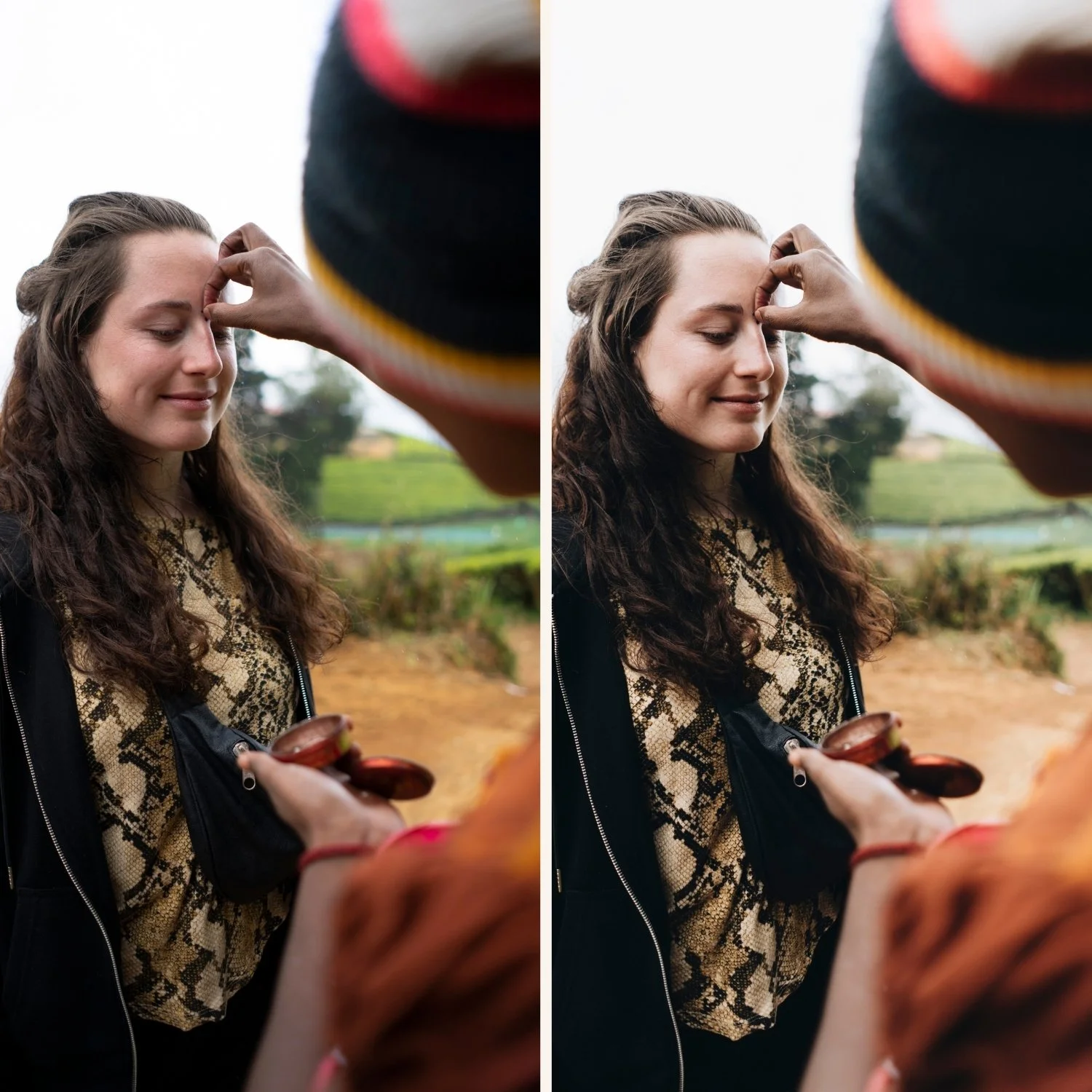
iPhone cameras expose aggressively for the subject — which means bright backgrounds, skies, and windows often blow out completely. Combined with Apple's HDR processing, iPhone photos frequently have clipped highlights that look impossible to recover.
Most of them are recoverable. This guide shows you exactly how.
Why iPhone photos are often overexposed
iPhone cameras use computational photography to expose for the main subject — usually a face or the center of the frame. When the background is brighter than the subject, the camera correctly exposes for the subject and lets the background blow out.
Smart HDR attempts to recover this by combining multiple exposures, but it compresses the tonal range in a way that often looks unnatural in Lightroom editing. Shooting ProRAW bypasses Smart HDR and gives you the full tonal latitude to fix exposure yourself.
Step 1 — Enable ProRAW before shooting (prevention)
If you have iPhone 12 Pro or later, enable ProRAW in Settings, Camera, Formats, Apple ProRAW. ProRAW gives Lightroom access to the full dynamic range of the sensor — 2-3 stops more highlight recovery than JPEG.
For already-taken JPEG photos, move to step 2.
Step 2 — Pull Highlights and Whites hard
This is the primary fix for blown highlights in Lightroom.
Highlights: -60 to -80 for severely overexposed areas Whites: -30 to -50
On ProRAW files, this recovers significant detail. On JPEG files, it recovers less but still improves the result.
Check the histogram as you drag — the right edge should move away from the wall. If highlights are still clipping after -80, the data is genuinely lost in that JPEG and cannot be recovered.
Step 3 — Lower overall exposure if needed
If the whole image is bright, not just the highlights: pull Exposure -0.5 to -1.0 first, then apply the Highlights and Whites recovery from step 2.
Do not rely on Highlights alone to fix a globally overexposed photo. Reduce Exposure to get the overall brightness right, then use Highlights and Whites to fine-tune the brightest areas.
Step 4 — Use the Tone Curve for sky and windows
For specific overexposed areas — bright sky, windows, reflective surfaces — the Tone Curve gives more control than the sliders.
In the Tone Curve, drag down the top-right section of the curve (the highlights). This creates a smooth roll-off that looks more natural than the slider alone.
For sky specifically: use a Gradient Mask over the sky and reduce Exposure -0.5 to -0.8 within the mask only. This recovers sky detail without affecting the correctly exposed foreground.
Step 5 — Apply your preset after fixing exposure
Always fix overexposure before applying a film preset. A preset applied to a blown-out photo adds color and tonal adjustments on top of a broken foundation. Fix the exposure first, then apply the preset.
FAQ
Can you recover blown highlights from iPhone JPEG?
Partially. iPhone JPEG has less highlight latitude than ProRAW. Pull Highlights to -80 — if detail returns, the data was there. If the area stays pure white, the data is permanently lost. Shooting ProRAW gives you significantly more recovery range.
Why do iPhone photos blow out more than camera photos?
iPhone's computational photography exposes for the subject and accepts blown backgrounds as a trade-off. Modern mirrorless cameras expose more conservatively. Enable ProRAW to shoot more like a camera and get more latitude in editing.