How to Install Lightroom Presets on Mac (2026 — DNG & XMP)
How to Install Lightroom Presets on Mac (2026 — DNG & XMP)
Installing Lightroom presets on Mac is straightforward once you know which version of Lightroom you're using and where to put the files. This guide covers every method — Lightroom Classic, Lightroom CC, and syncing to Lightroom Mobile — so your presets work exactly where you need them.
Download your free Lightroom preset
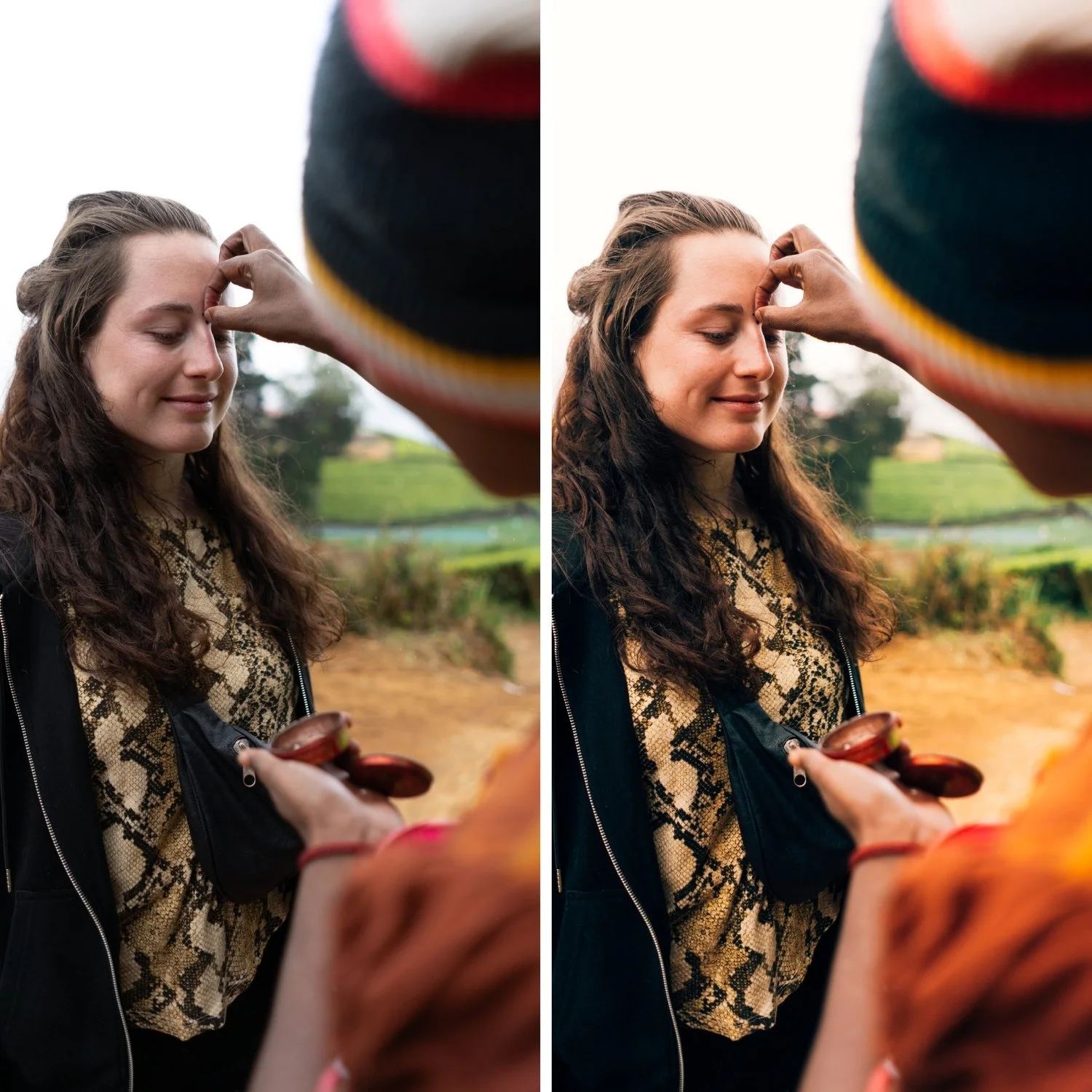
Before you install, grab our free Analog 06 preset — a clean, minimal film look for Lightroom Classic, CC and Mobile. Download once, use forever.
What you need before starting
Lightroom Classic or Lightroom CC installed on your Mac
Your preset files — either .XMP or .DNG format
The preset files unzipped and accessible in Finder
If your preset pack arrived as a .zip file, double-click it first to unzip before proceeding.
Method 1 — Lightroom Classic (XMP presets)
This is the most common method for photographers using Lightroom Classic on Mac.
Option A — Import directly in Lightroom (easiest)
Open Lightroom Classic
Go to the Develop module
In the Presets panel on the left, right-click anywhere and select Import Presets
Navigate to your XMP preset files, select them all, and click Import
Your presets appear immediately in the Presets panel, grouped by folder name.
Option B — Copy to the Presets folder manually
Use this method if the import option doesn't work or you want full control over organisation.
In Lightroom Classic, go to Lightroom → Preferences → Presets
Click Show Lightroom Develop Presets
This opens the Lightroom presets folder in Finder
Copy your XMP files into an existing folder or create a new subfolder (e.g. "The Editing Studio")
Restart Lightroom Classic
Your presets appear in the Presets panel after restarting.
Default preset folder location on Mac: /Users/[YourName]/Library/Application Support/Adobe/Lightroom/Develop Presets/
Note: the Library folder is hidden by default on Mac. To access it, hold Option in Finder and click Go → Library.
Method 2 — Lightroom CC (cloud version)
Lightroom CC (also called Lightroom, not Lightroom Classic) uses a slightly different import method.
Import XMP presets in Lightroom CC
Open Lightroom CC
Click the Edit icon (the sliders icon) to open the Edit panel
Scroll to the Presets section
Click the three dots (...) next to Presets and select Import Presets
Navigate to your XMP files, select them, and click Import
Import DNG presets in Lightroom CC
Go to File → Import Photos and Video
Navigate to your DNG preset files and import them into your library
Open a DNG preset file in the Edit view
Click the three dots (...) → Create Preset
Name the preset and assign it to a group
Save — the preset now appears in your Presets panel
Method 3 — Sync presets to Lightroom Mobile
If you want the same presets on your iPhone or Android after installing them on Mac:
In Lightroom Classic, go to Edit → Preferences → Presets (Mac: Lightroom → Preferences → Presets)
Make sure Sync presets with Lightroom mobile is checked
Open Lightroom Mobile on your phone — presets sync automatically within a few minutes
For the full mobile installation guide:
How to apply presets in Lightroom Classic
Open a photo in the Develop module
Find the Presets panel on the left
Hover over a preset to preview it on your photo
Click to apply
Adjust exposure, white balance, or any other setting after applying
How to organise your presets
Create a folder per pack — when presets are inside a named subfolder in the Presets directory, they appear as a collapsible group in Lightroom. Keep packs separate.
Use the star rating — right-click any preset in Lightroom Classic to add it to favourites. Favourites appear at the top of the panel for quick access.
Delete unused presets — right-click any preset and select Delete to remove it. Or delete the XMP file directly from the folder and restart Lightroom.
Troubleshooting
Presets not showing after import Restart Lightroom Classic. Sometimes a restart is needed for newly added presets to appear in the panel.
Import button is greyed out Make sure you're in the Develop module. The Import Presets option is only available in Develop, not in the Library module.
Presets folder is not visible in Finder The Library folder is hidden by default on Mac. Hold Option, click Go in the Finder menu bar, and you'll see Library appear. Navigate from there to /Application Support/Adobe/Lightroom/Develop Presets/.
XMP files won't import Make sure the files are unzipped. A common mistake is trying to import from inside a .zip file. Unzip first, then import.
Presets look different than expected Check your white balance and exposure first. Presets are calibrated for specific lighting. A preset that looks perfect in daylight may need a white balance adjustment in artificial light.
FAQ
What's the difference between XMP and DNG presets?
XMP is a settings file containing only the edit adjustments. DNG is a photo file with the settings embedded inside it. XMP is the standard format for desktop Lightroom. Both result in identical presets once installed — the format only affects the installation method.
Do presets work with all Lightroom versios on Mac?
XMP presets work in Lightroom Classic and Lightroom CC. Very old versions of Lightroom (pre-2018) used LRTEMPLATE files instead — if you have an old Lightroom version, check if your preset pack includes LRTEMPLATE files.
Can I use the same presets on Mac and iPhone?
Yes — enable preset sync in Lightroom preferences and your presets appear on all devices using the same Adobe account. Alternatively, install them separately on your phone using the DNG method.
How do I find the Lightroom presets folder on Mac?
Go to Lightroom → Preferences → Presets and click Show Lightroom Develop Presets. This opens the folder directly in Finder.
Can I back up my presets?
Yes. Copy the entire Develop Presets folder to an external drive or cloud storage. If you ever reinstall Lightroom or move to a new Mac, copy the folder back to the same location.
Start editing with a free preset
Now that your presets are installed, try our free Analog 06 preset — a clean, minimal film look that works in Lightroom Classic, CC and Mobile.